Skip to content
CPCole's Pro PaintingHouse painters, Tacoma and Pierce County Line open 24/7(253) 478-2745
Interior painting, Tacoma

Baseboard painting in Tacoma, scuffs gone and edges sealed tight

Baseboards take more abuse than any other trim in the house.

  • 24/7Phone answered
  • $1.85-$3.70Typical, per linear foot
  • 66Areas we paint
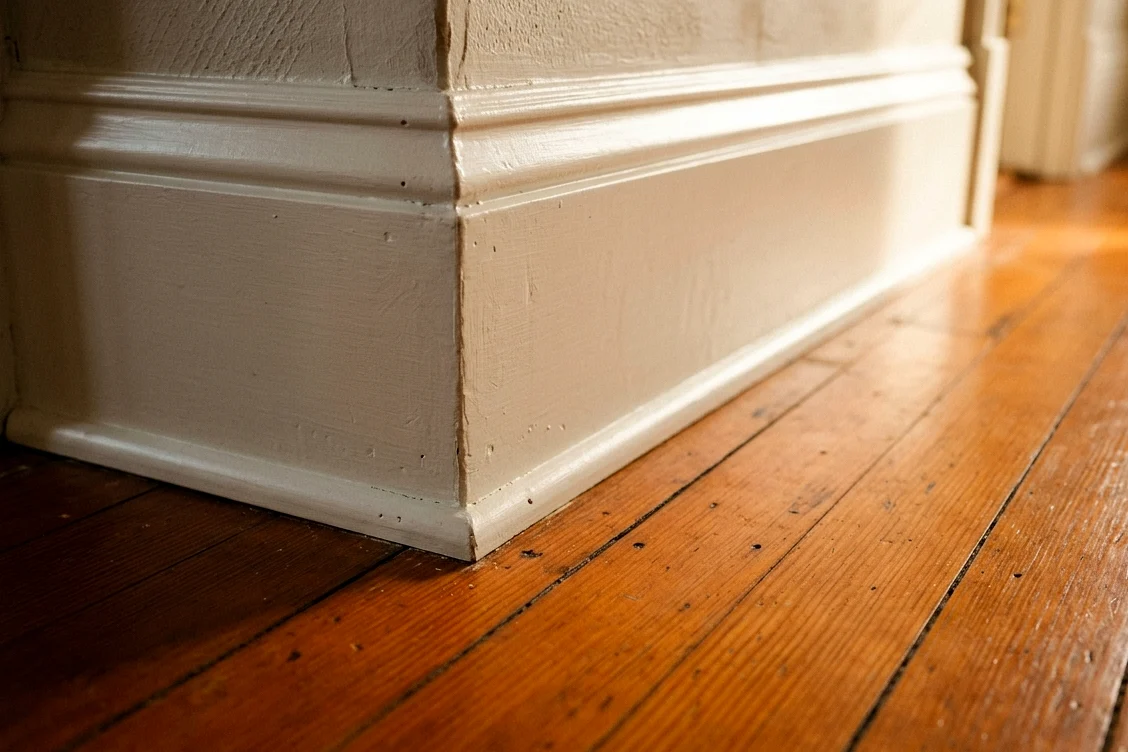
Close view of freshly painted tall white fir baseboard with shoe molding meeting original fir floorboards in an Old Town Tacoma hallway
Quick answer

Baseboard painting means cleaning off dust and grime, sanding scuffs, filling nail holes and dents, caulking the gap at the wall, masking carpet or floors and brushing two coats of hard enamel. In Tacoma, typical pricing runs $1.85-$3.70 per linear foot, so a full main floor with 180 to 260 feet of base often lands at $460-$910. Price follows a walk-through.

Baseboards take more abuse than any other trim in the house. Vacuums slam into them, shoes scuff them, mops leave water marks and pets rub along them. They also collect a fine layer of dust and grime that paint will not grip. Painting them well starts on hands and knees with a degreaser, and the finish has to be a hard enamel that shrugs off the next vacuum bump instead of a soft wall paint that dents.

The biggest difference between a clean baseboard job and a sloppy one is the floor line. We mask carpet with a wide tape tucked under the base and mask hardwood and vinyl carefully, then cut the top edge by hand along the wall. Baseboards are often done along with trim painting and door painting, and they are a quick win before a sale or after interior painting on the walls.
When to call

Signs it is time for baseboard painting

Black scuff marks along the bottom

Vacuum and shoe marks show through flat builder paint and will not scrub off.

Gaps between base and wall

Open gaps along the top edge collect dust and make even clean baseboards look worn.

Yellow tint against new walls

Old oil-based base turns yellow, and fresh white walls make the contrast obvious.

Water marks near kitchens and baths

Mop water and splashes soak into unsealed base, swelling MDF and lifting paint.

Chewed or scratched corners

Pet damage and dings on outside corners need filling before paint will look right.

New flooring just went in

Installers often mark or nick the base, and new floors make worn baseboards stand out.

Getting a clean line where baseboards meet carpet

Carpet is the trickiest floor to paint baseboards over. The fibers sit right up against the bottom of the trim, and paint brushed down onto them leaves a crusty line that never comes out. We use a wide masking tape, push it down between the carpet and the base with a putty knife so the fibers fold away, and paint the full face of the baseboard without fear of touching the carpet. Then the tape comes up, and the carpet springs back.

Hardwood, laminate and vinyl floors get a different approach. We lay a crisp line of low-tack tape right at the base, burnished so paint cannot bleed underneath, and paint carefully to it. On older homes in Old Town and North Tacoma with original fir floors and many layers of paint built up at the base, we sometimes scrape a clean edge first so the new line looks sharp instead of following old drips.

Why caulk and prep matter more than the paint on baseboards

Baseboards collect dust, skin flakes, pet hair and cleaning residue, and paint over that layer peels off at the first scuff. We clean every run with a degreaser and a damp rag, then rinse. Next comes a light sanding to give the old finish some tooth, and filling of nail holes and dents with a sandable filler. Swollen MDF near tubs and dishwashers gets sanded back and sealed with an oil-based primer so it does not keep wicking water.

Caulk is what makes baseboards look finished. A thin bead along the top edge closes the gap where the wall dips and the base stays straight, which is common in both new homes and settled old ones. We tool it smooth with a damp finger or tool so it disappears. We do not caulk the bottom edge against hardwood floors, which need room to move. Then two coats of enamel go on, brushed in long runs so the finish lies flat along the full length of each wall.

Which paint stands up to vacuums, mops and pets?

Wall paint on baseboards dents and scuffs quickly. We use the same hard enamels we use on trim and doors, usually a waterborne alkyd or urethane-modified acrylic in semi-gloss. These cure harder than wall paint, resist scuffing and wipe clean with a damp cloth. They also level as they dry, so brush marks on a long run of base fade instead of standing out in side light from a sliding door.

Color matters too. Most baseboards are painted to match the door and casing white, which ties the room together. In some modern homes, people paint base the same color as the walls for a quieter look, or a darker color to hide scuffs in hallways and mudrooms. If you are repainting the walls at the same time, we usually paint baseboards last so the top cut line is clean against the finished wall.

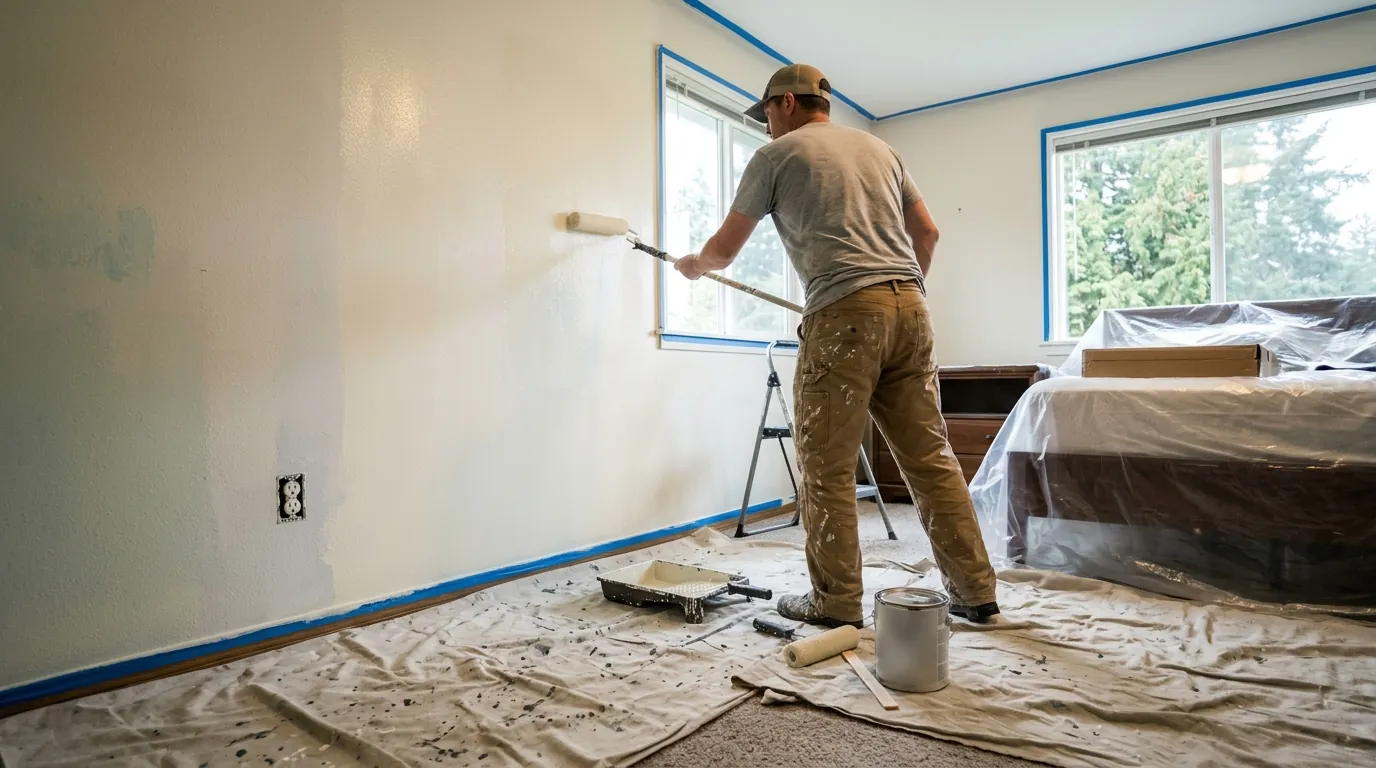
Painter rolling an eggshell finish onto a bedroom wall with drop cloths and taped trim in a Pierce County home
Prep sets the finish: most of a paint day goes into the work before color goes on.
What is included

What our baseboard painting covers

  • Thorough cleaning with a degreaser to remove dust and grime
  • Sanding to smooth scuffs and dull the old finish
  • Nail holes, dents and chewed corners filled and sanded
  • Fresh caulk along the top edge where base meets the wall
  • Carpet tucked and taped, hard floors masked with care
  • Spot primer over bare wood, swollen MDF and old oil enamel
  • Two brushed coats of hard, washable trim enamel
  • Tape pulled clean and edges checked along the floor line
Job days

How a baseboard painting job runs

Typical order of work on a Tacoma-area project. Weather can shift exterior days.

  1. D1

    Measure and walk

    We measure the base by linear foot and note damage, floor types and color. You get a price room by room.

  2. D2

    Clean the runs

    Every baseboard is wiped with degreaser and rinsed. Dust and grime come off before any sanding.

  3. D3

    Sand, fill and caulk

    We scuff sand, fill holes and dents, and caulk the top gap. Swollen spots are sanded back and sealed.

  4. D4

    Mask the floors

    Carpet is tucked and taped and hard floors get burnished low-tack tape. Furniture is pulled away from the walls.

  5. D5

    Prime and paint

    Bare wood and old oil enamel get primer. Two coats of hard enamel are brushed on each run.

  6. D6

    Pull tape and check

    Tape comes up cleanly while the paint is fresh. We check the lines with you and put furniture back.

Cost

What moves the price of baseboard painting

Typical range $1.85-$3.70 per linear foot. These are the things that push a job toward either end.

  1. Baseboard height and profile, from thin modern base to tall built-up fir.
  2. Carpet versus hard floors, which changes masking time.
  3. Converting stained base to paint, which needs extra sanding and primer.
  4. Water-swollen MDF near kitchens and baths that needs sealing or replacing.
  5. Furniture and built-ins that must be moved or worked around.
  6. Lead-safe prep on pre-1978 baseboards that will be sanded.
Local

Baseboard Painting around Tacoma and Pierce County

Baseboards tell you a lot about a house's age around here. New homes in Bonney Lake, Sumner and Auburn often have thin MDF base with builder paint that dents and scuffs within a year, and they come up fast with a hard enamel. In Old Town, North Tacoma and the Stadium District, older homes can have eight to ten inch fir baseboards with a top cap and shoe molding, sometimes with decades of paint layers and lead-safe prep needs. Wet winters and muddy boots mean entry and mudroom baseboards take the worst of it, so we pay close attention there.

Where we do the most baseboard painting

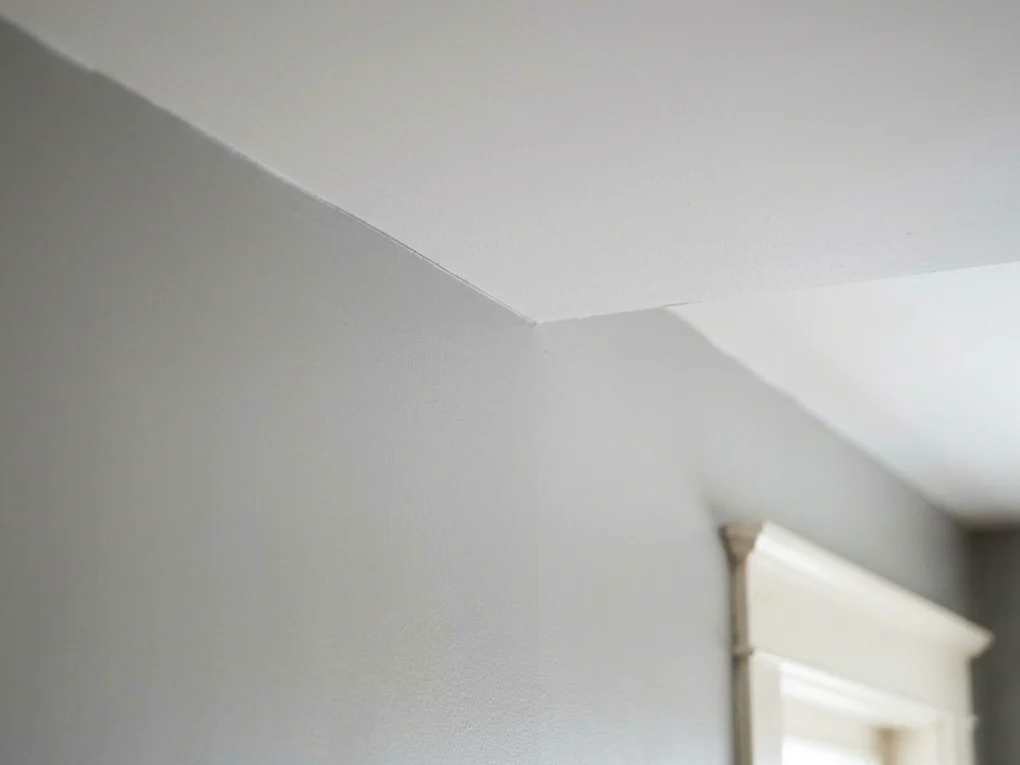
Close view of a crisp cut line between a soft gray wall and a white ceiling in a North Tacoma dining room
FAQ

Baseboard Painting questions from Tacoma homeowners

Can you paint baseboards without removing the carpet?

Yes, that is how we do nearly every job. We push wide masking tape down between the carpet and the baseboard with a putty knife, which folds the fibers away from the trim. We then paint the full baseboard and pull the tape. The carpet springs back up and stays clean.

Should baseboards match the walls or the trim?

Most homes look best with baseboards matching the door and window trim, usually a white enamel. In some modern rooms, painting base the same color as the walls gives a calm, quiet look. A darker base hides scuffs in hallways and mudrooms. We can paint a test section so you can decide.

How long until I can push furniture back against fresh baseboards?

Enamel is dry to the touch in a few hours, but it stays soft for a day or two. We suggest waiting at least 24 hours before pushing furniture back, and a few days before pressing anything tight against the base. Full hardness takes about two weeks, a little longer in cold, damp weather.

Do you replace damaged baseboards before painting?

For small damage, like dents, chewed corners or scuffs, we fill and sand. When a section of MDF has swollen badly from water or is split, we can cut out and replace that piece with matching base before painting, so it blends in. Large replacement jobs with new profiles are priced separately.

Is it worth painting baseboards on their own?

Yes, often. Baseboards are one of the cheapest updates that changes how a room looks, especially if the walls are in decent shape. Scuffed, yellowed base makes even fresh walls look tired. Painting them alone is a quick job, and it is popular before listing a house or after new floors.

Talk to us about baseboard painting

Call and tell us what you are painting. We answer 24/7 and set up a walk-through at a time that suits you.

Answered 24/7(253) 478-2745