Skip to content
CPCole's Pro PaintingHouse painters, Tacoma and Pierce County Line open 24/7(253) 478-2745
Interior painting, Tacoma

Staircase and railing painting in Tacoma, spindle by spindle

Stairs take more wear than almost any painted surface in a house.

  • 24/7Phone answered
  • $1,180-$2,940Typical, per staircase
  • 66Areas we paint
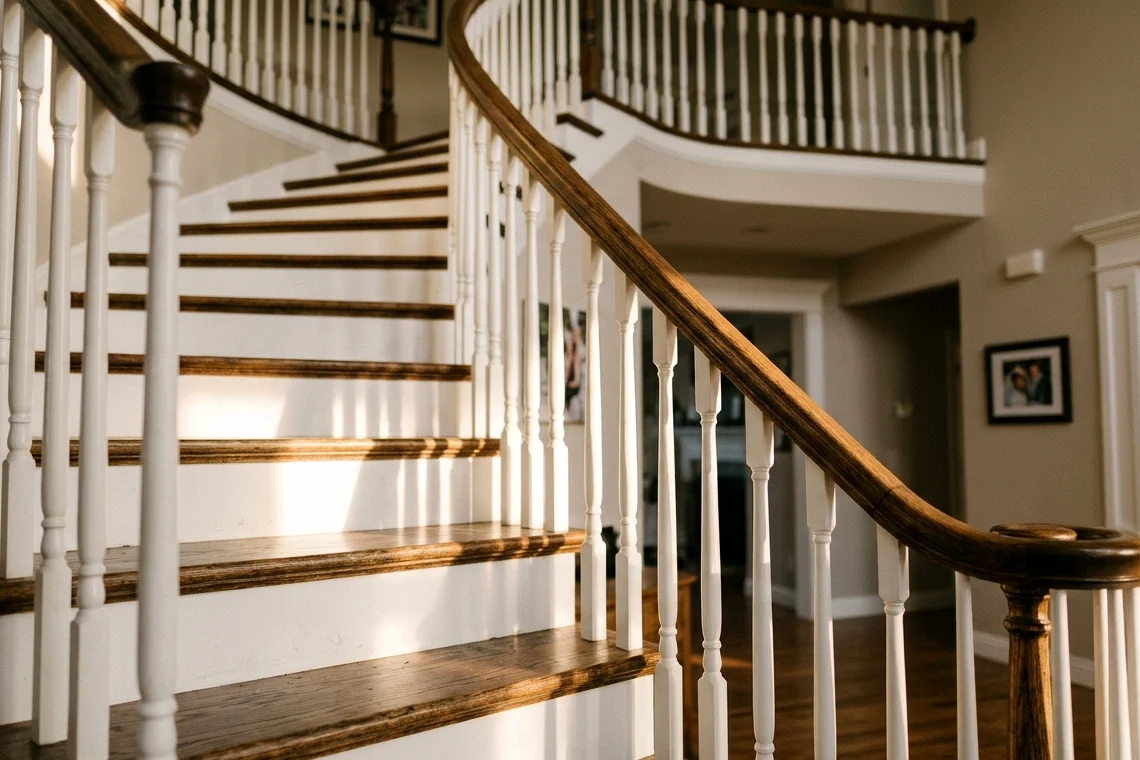
Crisp white painted balusters and dark stained oak handrail curving up an open stairwell in a two-story Puyallup home, afternoon light on the risers
Quick answer

Staircase painting in Tacoma covers risers, stringers, skirt boards, balusters, newel posts and handrails, and sometimes treads. We clean off hand oils, scuff-sand, prime with a bonding primer, then brush durable enamel on every face. A typical straight staircase with railing runs $1,180-$2,940, set after a walk-through. Long runs, landings and stained-to-painted conversions cost more.

Stairs take more wear than almost any painted surface in a house. Shoes kick the risers, hands polish the rail, vacuums bang the skirt boards, and the balusters collect dust in every groove. A staircase also sits right in the line of sight from the front door, so a tired one drags down the whole entry. We repaint staircases as a standalone job, often while the rest of the family carries on using them.

Most of the work is in the details. A single railing can have forty or more balusters, each with four faces and turned profiles that only a brush can reach. Handrails carry years of skin oil that makes new paint fail if it is not cleaned off first. We set up so one side of the stairs stays usable whenever possible. Call (253) 478-2745 to walk through your staircase with us.
When to call

Signs it is time for staircase & railing painting

Black scuffs on the risers

Toe marks on white risers are the most common reason people call. Flat or eggshell paint there was never tough enough.

A handrail that feels tacky

Paint over unclean, oily rails can stay soft and sticky for months, and it wears through fast.

Golden oak balusters that date the house

Many 1990s homes have orange-toned oak rails. Painting balusters white with a dark rail is a popular update.

Chipped edges on spindles and newels

Vacuums, toys and moving furniture chip the corners of balusters, exposing bare wood or old color.

Gaps and cracks along skirt boards

Seasonal movement opens joints where skirt boards meet treads and walls, which collect dirt and look messy.

Brush marks and drips from a past job

Runs and heavy brush lines on spindles show up in entry light and need sanding before a clean repaint.

How do we paint a staircase people still need to use?

Most of our staircase jobs happen in occupied homes, and stairs are often the only way to the bedrooms. We plan the order so you can still get up and down. A common approach is painting every other tread or riser in the first pass and the rest the next day, so there is always a dry step to use. On wide stairs we sometimes do one side at a time. We put up clear signs and tell the family exactly which steps to avoid each evening.

Balusters and handrails get done in a separate pass from treads and risers. Railing parts dry to the touch within a few hours, though full cure takes longer, so we ask that the rail be used gently for the first several days. Pets are the biggest risk to fresh paint on stairs, and we can block the bottom of the staircase with a gate or plastic barrier overnight. Dust control matters too. We vacuum with HEPA equipment after sanding instead of sweeping, so fine dust does not drift into nearby rooms.

What paint holds up on risers, treads and handrails?

Ordinary wall paint does not belong on stairs. We use a hard-curing waterborne alkyd or urethane-modified enamel on balusters, newels and skirt boards. It levels out to a smooth finish with few brush marks, and it resists the chips and scuffs that ruin softer paint. Satin and semi-gloss are the usual sheens, since they wipe clean easily. Risers get the same enamel, often in satin, because they take kicks from shoes all day.

Treads are a different story because people walk on them. If you want painted treads, we use a floor-rated enamel and can add a fine anti-slip additive for safety, which matters on stairs in damp Tacoma homes where wet socks and shoes are common from fall through spring. Many homeowners prefer stained wood treads with painted risers, a classic look in older homes. In that case we sand and refinish the treads with stain and a durable clear coat. Handrails get either a tough enamel or a stain plus clear finish, depending on the look you want.

Converting stained oak railings and dealing with older staircases

Many homes built in the 1990s and early 2000s in places like South Hill, Bonney Lake and University Place have stained oak railings with a glossy clear finish. Paint will not stick to that glossy surface on its own. We clean it, scuff-sand it, and apply a bonding primer made to grip slick finishes. Oak has open grain that can show through paint, so for a smooth look we can fill the grain before priming. Most people choose white or soft gray balusters with a dark stained or black-painted handrail.

Older staircases in Stadium District and North Tacoma homes often have original fir or oak railings with decades of paint built up in the details. Before 1978, those layers may include lead paint, so any sanding or scraping uses lead-safe methods: plastic containment, misting, and HEPA vacuums to keep dust out of the house. We also repair loose balusters and fill gaps before painting. If other trim around the entry needs attention, our trim painting and baseboard painting work lines up well with a staircase job.

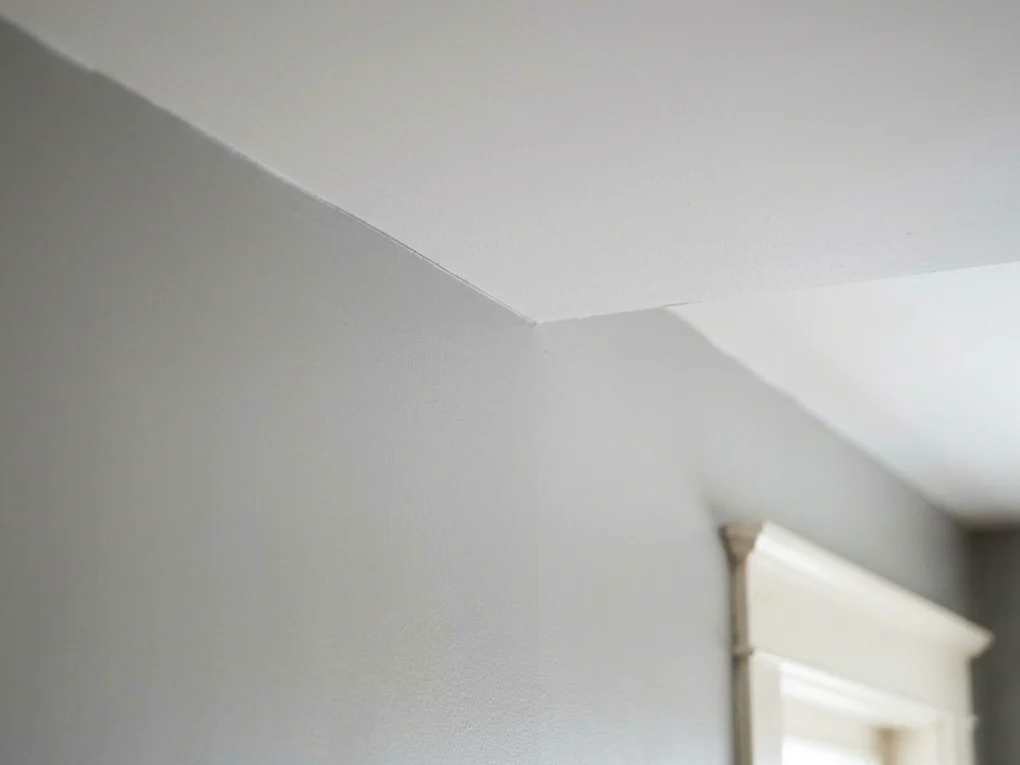
Close view of a crisp cut line between a soft gray wall and a white ceiling in a North Tacoma dining room
Prep sets the finish: most of a paint day goes into the work before color goes on.
What is included

What our staircase & railing painting covers

  • Degreasing handrails, newels and baluster grips to remove hand oils
  • Scuff-sanding all painted faces and deglossing stained wood surfaces
  • Caulking open joints at skirt boards, stringers and riser seams
  • Bonding primer on oak, stained or previously glossy surfaces
  • Hand-brushed enamel on every baluster face and turned profile
  • Durable floor-rated finish on risers and painted treads
  • Contrasting rail and newel colors or stain where you choose
  • Planned access so the stairs stay usable during the job
Job days

How a staircase & railing painting job runs

Typical order of work on a Tacoma-area project. Weather can shift exterior days.

  1. D1

    Walk the stairs with you

    We count the balusters, check the finish and talk about colors and how the stairs need to stay usable. You get a price and plan before we begin.

  2. D2

    Protect the area

    Floors at the top and bottom get covered, walls next to the stairs are masked, and furniture nearby is moved or wrapped. Treads get covered when not being worked on.

  3. D3

    Clean, sand and repair

    Handrails get degreased, every surface is scuff-sanded, and loose balusters are tightened. Joints at skirt boards and stringers get caulked.

  4. D4

    Prime the surfaces

    Stained or glossy wood gets a bonding primer, and bare spots are spot-primed. Lead-safe methods are used on older homes where needed.

  5. D5

    Paint in planned passes

    Balusters and rails get hand-brushed enamel, and risers and treads get painted in alternating steps. Each pass is dry before the next begins.

  6. D6

    Final check and care tips

    We check every baluster in good light and touch up any missed spot. You get advice on cure time and how to clean the finish.

Cost

What moves the price of staircase & railing painting

Typical range $1,180-$2,940 per staircase. These are the things that push a job toward either end.

  1. Number of balusters, since each one needs hand brushing on all faces and profiles.
  2. Converting stained or glossy oak to paint, which needs bonding primer and sometimes grain filling.
  3. Landings, turns, open stringers and second-floor balcony railings that add footage.
  4. Whether treads are painted, stained and clear-coated, or left as they are.
  5. Lead-safe prep on staircases in homes built before 1978.
  6. Repairs to loose balusters, cracked skirt boards or damaged handrail sections.
Local

Staircase & Railing Painting around Tacoma and Pierce County

Staircase styles across the Tacoma area vary by era. In North Tacoma and the Stadium District, older Foursquares and Craftsmans often have wide fir staircases with square balusters and heavy newel posts, usually painted many times and sometimes still carrying lead paint deep in the layers. Newer two-story homes in Puyallup and South Hill tend to have open stairwells with stained oak railings and long runs of thin balusters, which is where most of the oak-to-paint conversions happen. Wet shoes and socks all winter make painted treads slippery here, so we often suggest anti-slip additive or stained treads. A stairwell repaint pairs well with ceiling painting of the tall entry above it.

Where we do the most staircase & railing painting

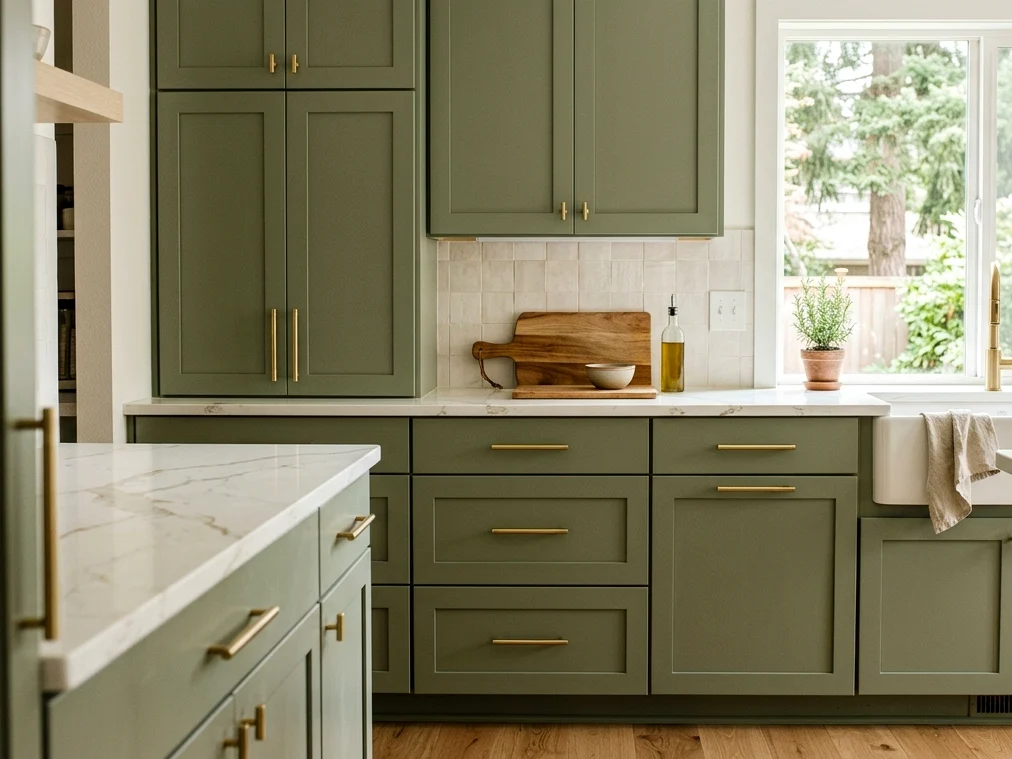
Kitchen with newly painted sage green cabinets, brass pulls and quartz counters in a University Place home
FAQ

Staircase & Railing Painting questions from Tacoma homeowners

Can you paint just the balusters and leave the handrail stained?

Yes, and it is one of the most popular staircase updates. We mask the stained rail and newel caps carefully, then prime and paint the balusters. If the rail itself looks worn, we can lightly sand and add a fresh clear coat or a darker stain at the same time. The contrast of white or gray balusters with a dark rail suits both older Tacoma homes and newer builds.

How long before we can use painted stairs normally?

Painted balusters and rails are dry to the touch in a few hours, and we plan treads and risers so you always have a dry step to use. Full cure of the enamel takes longer, often a week or more in cool, damp weather. During that time, treat the stairs gently: avoid dragging things up them, keep pet claws off fresh treads if you can, and wipe spills rather than scrubbing.

Do you spray balusters or brush them?

In occupied homes we almost always brush and use small rollers on balusters. Spraying a staircase means masking the whole stairwell, the floors, and nearby rooms, and the overspray risk is high. Brushing takes longer but keeps the mess contained, and a good self-leveling enamel lays down smooth. On new construction or empty homes, spraying can make sense, and we will tell you if it does for your job.

Are painted stair treads slippery?

They can be, especially in socks, which is why we often add a fine anti-slip grit to floor enamel on painted treads. The grit is barely visible but gives your feet something to grip. In Tacoma, where wet shoes come in for half the year, that matters. Another option is painted risers with stained and clear-coated wood treads, or a runner down the center of painted stairs.

Can you fix wobbly balusters before painting?

Yes. Loose balusters are common, especially on older stairs and heavily used railings. We tighten them by re-gluing, adding small finish nails or screws where they are hidden, and filling any gaps before priming. Badly cracked or broken balusters may need replacement, which we can do if we can get a matching profile. Fixing these first means the new paint does not crack at the joints within weeks.

Talk to us about staircase & railing painting

Call and tell us what you are painting. We answer 24/7 and set up a walk-through at a time that suits you.

Answered 24/7(253) 478-2745