Skip to content
CPCole's Pro PaintingHouse painters, Tacoma and Pierce County Line open 24/7(253) 478-2745
Exterior painting, Tacoma

Historic home painting in Tacoma for Craftsman and Victorian houses

A house built in 1905 or 1925 plays by different rules than one built in 1995.

  • 24/7Phone answered
  • $12,640-$28,970Typical, per home (exterior)
  • 66Areas we paint
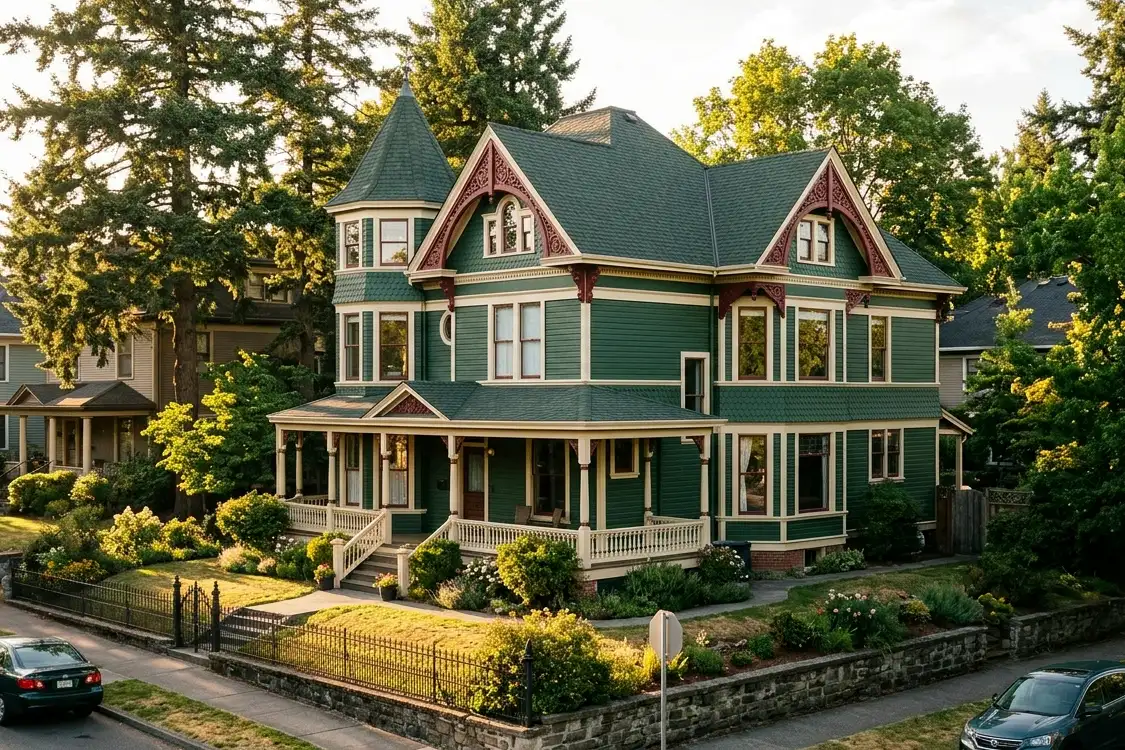
Tall Victorian house near Wright Park in the Stadium District with fresh deep green body paint, cream trim and red accents on carved gable brackets
Quick answer

Historic home painting covers pre-1940 Craftsman, Victorian and Foursquare houses inside and out. Because older layers may contain lead, prep uses lead-safe methods: containment, misting and HEPA cleanup. We save and repair original wood where we can, then prime and paint in a color plan suited to the house. Typical Tacoma exteriors run $12,640-$28,970, set after a walk-through, not a quote.

A house built in 1905 or 1925 plays by different rules than one built in 1995. The siding may be old-growth cedar or fir denser than anything sold today, the trim has profiles nobody mills anymore, and there can be ten or more layers of paint between the wood and the air. Some of those layers likely contain lead. Painting these homes well means slowing down, saving what can be saved and keeping dust where it belongs.

We work on Tacoma's older Craftsmans, Foursquares and Victorians outside and in: shingled gables, wide porches, tapered columns, picture rail, plaster walls and the fir woodwork that gives these homes their character. More than 15 years of painting in this town has taught us that the goal is a house that still looks like itself, only cared for. Call (253) 478-2745 and we'll go side by side and room by room with you before any price is set.
When to call

Signs it is time for historic home painting

Paint cracked into a scaly grid

Deep, crocodile-like cracking means many old layers have lost their flexibility. New paint over it will crack the same way unless the old film is dealt with.

Bare wood on sashes and sills

Original wood windows lose paint at the sash bottoms and sills first, and that old-growth wood is worth protecting before it weathers further.

Split or curling gable shingles

Cedar shingle gables take decades of weather. Split, cupped or loose shingles get replaced or refastened before any primer.

Bulging plaster inside

Fine cracks are normal in old plaster, but bulges or hollow-sounding spots mean it has let go of the lath and needs securing first.

Paint chips in the planting beds

Chips collecting along the foundation come from failing old layers that may contain lead, which calls for careful prep and cleanup on the next job.

Colors that hide the details

One flat color over a Victorian, or stark white over a Craftsman, can bury the brackets, shingles and trim that make the house what it is.

How does lead-safe prep work on a pre-1940 house?

We treat every pre-1940 house as if lead may be somewhere in its paint history, then plan the prep around keeping chips and dust contained. Outside, that means heavy plastic sheeting on the ground along each wall, reaching well past the drip line, with nearby windows and doors closed. Scraping and sanding happen with misting to keep dust down, and any power sanding runs through tools fitted with HEPA vacuum shrouds. Old paint is never dry-sanded into the open air or burned off with an open flame.

Inside, we seal the work area with plastic and tape, cover the floors and close off heating registers so dust cannot travel through the ducts. Cleanup happens daily, not just at the end: wet wiping, HEPA vacuuming and bagging debris before we leave. Families with small children or a pregnancy in the house should tell us at the walk-through, because it changes how we sequence the rooms. Most of the old paint we disturb is on trim, windows and porches, where friction and weather have already loosened it.

Should original fir trim, windows and siding be repaired or replaced?

Old-growth wood is worth fighting for. The fir and cedar in a 1910s Tacoma home grew slowly and tight, and it often outlasts new lumber when it is kept painted. So our default is repair. Soft spots at sill ends and column bases get dug out, consolidated with a penetrating epoxy and rebuilt with epoxy filler shaped to the original profile. Loose clapboards are refastened, and split shingles get swapped for new cedar at the same exposure. Replacement comes in only when a piece is too far gone.

Original wood windows deserve their own mention. Sashes painted shut, cracked glazing putty and bare sill tops are common, and they can usually be brought back. We free stuck sashes, reglaze where the putty has failed, and keep paint off the sliding edges so the window still moves. Where a profile is missing, such as a broken run of crown or a bracket, our rot and wood repair crew can shape a match by hand. The house keeps its original fabric, and the new paint has something sound to grip.

What changes when the inside of an old house gets painted?

Interiors in older Tacoma homes are usually plaster on wood lath, not drywall. Plaster is hard and smooth, but after a century of settling it carries fine cracks, and some sections may have pulled away from the lath. We check by pressing gently and tapping. Loose areas get secured with plaster washers and adhesive, cracks get taped with mesh and a setting compound, and each patch is feathered into the old surface. Flat or matte paint suits these walls, because a higher sheen shows every wave in hand-troweled plaster.

The woodwork is the other half. Many Craftsman interiors still have original stained fir casings, beams and built-in buffets, while Victorians often have painted trim with deep profiles clogged by old layers. Stained woodwork in good condition is usually best kept stained and refreshed, which our interior staining work covers. Painted trim gets cleaned, tested and primed with a bonding product suited to old oil paint. Picture rail, plate rail and wainscot caps get hand-brushed, since spraying near plaster and leaded glass is more risk than reward.

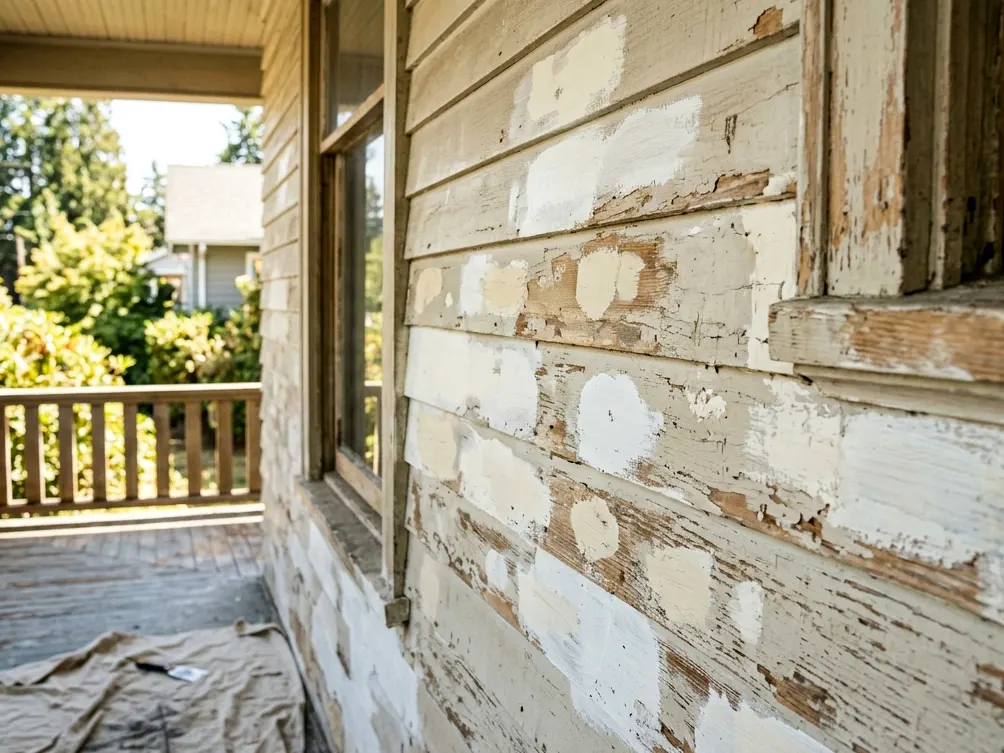
Scraped and spot-primed lap siding on a North Tacoma porch before the finish coat goes on
Prep sets the finish: most of a paint day goes into the work before color goes on.
What is included

What our historic home painting covers

  • Walk-through of every exterior wall and room, noting original features to keep
  • Lead-safe prep with containment, misting, HEPA vacuums and daily cleanup
  • Hand scraping and careful sanding that keeps old trim profiles crisp
  • Epoxy consolidation or matched replacement of rotted original wood
  • Shingle and clapboard repair before any primer goes on
  • Oil-based or bonding primer chosen for the old paint underneath
  • Securing loose plaster and taping cracks on interior walls
  • Multi-color schemes suited to the home's style and era
Job days

How a historic home painting job runs

Typical order of work on a Tacoma-area project. Weather can shift exterior days.

  1. D1

    Document what the house has

    We walk every side and room, photograph original details and note where wood, plaster or windows need repair. You get a written scope that separates the painting from the repair work.

  2. D2

    Contain and protect

    Ground plastic, sealed openings and covered plantings go in before any scraping. Inside, work rooms are sealed off and heating registers are closed.

  3. D3

    Wash gently, then remove loose paint

    Exterior walls get a low-pressure wash, never a hard blast on old wood. Loose and flaking paint comes off by hand scraping with misting, and edges are feathered.

  4. D4

    Repair original materials

    Rot is consolidated and filled or replaced in kind, shingles are swapped and failed glazing is redone. Inside, loose plaster is secured and cracks are taped.

  5. D5

    Prime for the old layers

    Bare old-growth wood and chalky old paint get a primer suited to them, often oil-based on exteriors. Cedar and fir that bleed tannin get a stain-blocking product.

  6. D6

    Paint, detail and clean up

    Body, trim and accent colors go on in order, with brackets and sashes cut in by hand. We finish with HEPA cleanup, a final walk-through and a written list of every color and product used.

Cost

What moves the price of historic home painting

Typical range $12,640-$28,970 per home (exterior). These are the things that push a job toward either end.

  1. Number of paint layers and how much of the old film has failed.
  2. Lead-safe containment needed on each wall, porch and interior room.
  3. Amount of rot repair, shingle replacement and window glazing work.
  4. Height of gables, turrets and dormers, and the access they require.
  5. Number of colors and how much bracket, spindle and corbel detail is picked out.
  6. Interior plaster repair, from hairline cracks to loose sections over lath.
Local

Historic Home Painting around Tacoma and Pierce County

Most of Tacoma's early 1900s homes sit in the older neighborhoods close to downtown. The Stadium District and the blocks around Wright Park hold large Victorians and Foursquares with tall gables, porches and deep trim. North Tacoma is full of Craftsman bungalows with shingled walls, tapered porch columns and fir interiors. Up in Hilltop, homes from the same era have often been through several owners and several quick repaints, so we usually peel back more layers there before the real prep starts. For palettes that fit each style, a color consultation visit is a good first step.

Where we do the most historic home painting

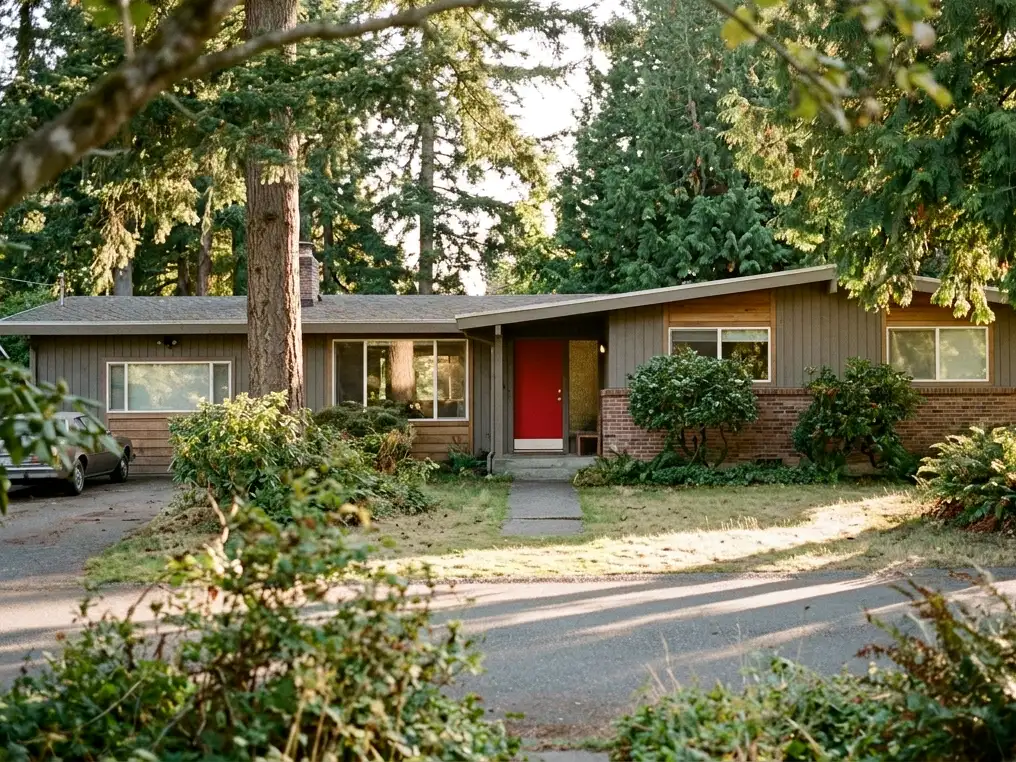
Mid-century rambler in Pierce County repainted in warm gray with a bold red front door
FAQ

Historic Home Painting questions from Tacoma homeowners

Do I need city approval to paint a house in a Tacoma historic district?

Possibly, based on the district and the kind of work. Tacoma has local historic districts, such as the North Slope near the Stadium District, where the city's Landmarks Preservation Commission reviews certain exterior changes. Rules can treat paint, windows, siding and trim differently, so check with the City of Tacoma's historic preservation staff before you commit to a big change. On any old house, we keep original materials in place and plan colors that respect the architecture.

Does a historic house need to be stripped to bare wood before painting?

Usually not. Most old houses need loose and failing paint removed, edges feathered and sound layers left in place under a good primer. Full stripping makes sense where the old film is alligatored deep into the layers or keeps peeling back to wood. Stripping disturbs the most old paint, so it adds lead-safe containment time and cost. We show you which areas need it and why.

What causes the scaly, cracked pattern in the paint on my old house?

That pattern, often called alligatoring, forms when many layers of old oil paint have hardened and lost flexibility. Each new coat pulls on the brittle layers below, and they crack in a grid. Painting over it again just adds weight to a failing stack. The fix is to remove the cracked layers down to a sound film or bare wood, using lead-safe methods, then prime and repaint.

How do you keep lead dust away from kids and pets during the work?

We contain the work area with plastic, keep windows and doors closed near active scraping and mist surfaces so dust does not lift. Debris is HEPA vacuumed and bagged every day. Inside, sealed rooms stay off limits until cleanup is done. We ask families with young children or someone pregnant at home to tell us early, so we can plan which rooms to do when and keep a clean route through the house.

How long does it take to paint a large Victorian or Foursquare?

The exterior of a large older home with lead-safe prep, wood repair and three or more colors often takes three to six weeks of workable weather. Detail work on brackets, spindles and window sashes takes much of that time. We schedule these homes early in the dry season, starting in late May or June, so rain does not stall the final coats. Interior rooms are usually scheduled for the wet months.

Talk to us about historic home painting

Call and tell us what you are painting. We answer 24/7 and set up a walk-through at a time that suits you.

Answered 24/7(253) 478-2745