Skip to content
CPCole's Pro PaintingHouse painters, Tacoma and Pierce County Line open 24/7(253) 478-2745
Exterior painting, Tacoma

Siding painting in Tacoma for Hardie, T1-11, vinyl and lap wood

Siding is the biggest painted surface on a house, and each type fails in its own way.

  • 24/7Phone answered
  • $2.65-$4.90Typical, per sq ft of siding
  • 66Areas we paint
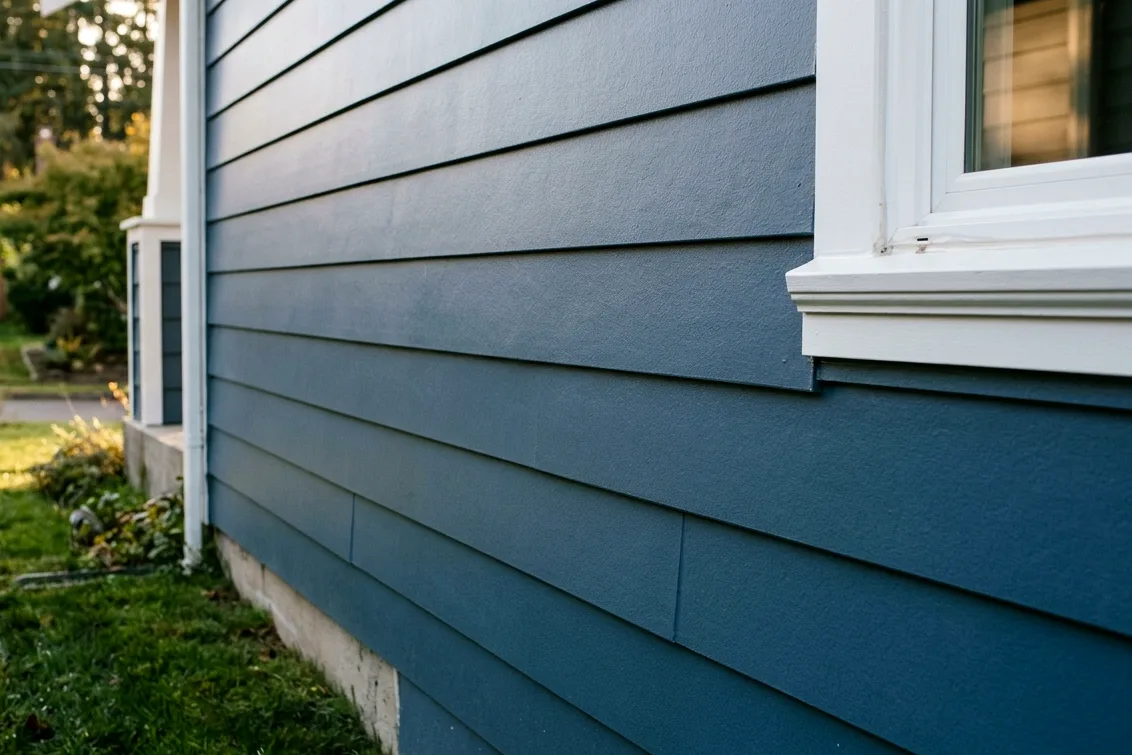
Fresh slate blue paint on fiber cement lap siding beside a white window frame on a newer South Hill home, damp lawn below
Quick answer

Siding painting in Tacoma means matching the prep and paint to the material: fiber cement gets cleaned and primed at cut edges, T1-11 plywood gets its bottom edges sealed, vinyl needs a vinyl-safe color, and wood lap needs scraping and spot priming. Two coats of exterior acrylic follow. Typical pricing is $2.65-$4.90 per sq ft of siding, set after a walk-through.

Siding is the biggest painted surface on a house, and each type fails in its own way. Fiber cement holds paint well but shows chalking and faded color on sunny sides. T1-11 plywood swells and delaminates at the bottom where rain splashes back. Aluminum oxidizes into a chalky film. Vinyl can warp if painted too dark. Wood lap siding cups, checks and peels where water gets behind it. A siding job only lasts when the prep fits the material.

We paint siding on every kind of home in Pierce County and south King County, from 1950s ramblers with aluminum lap to new subdivisions full of fiber cement. Some homeowners want just the siding refreshed while the trim stays as is. Others want a full color change. Either way, we start by identifying the siding and reading its moisture. Call (253) 478-2745 to set up a walk-around.
When to call

Signs it is time for siding painting

Color fading on the sunny sides

Fiber cement and wood siding lose color fastest on south and west walls, leaving a patchy, uneven look.

Swelling or flaking at T1-11 bottom edges

The lower edge of plywood siding soaks up splash-back water and starts to delaminate if it is not sealed.

White powder on aluminum siding

Oxidized aluminum siding leaves a chalky residue that has to be cleaned off before new paint will stick.

Cupped or split wood lap boards

Lap boards that curl or crack let water behind the siding and need repair before painting.

Vinyl siding that looks dull and dated

Painting vinyl can refresh its color, as long as the shade is safe for vinyl and does not cause warping.

Mildew streaks under eaves and on north walls

Shaded, damp siding grows mildew that has to be killed and washed off before any coating goes on.

How does each siding type change the way we paint?

Fiber cement, often called Hardie board, is the most common siding on homes built in Tacoma suburbs since the late 1990s. It comes factory primed or painted and holds paint very well, but chalking and fading show up over time, especially on south walls. We wash it, let it dry, and check the cut ends at butt joints and around windows, which are often left raw by the original builder. Those edges absorb water and need sealing. Then we apply two coats of acrylic paint made for masonry or fiber cement surfaces.

T1-11 is a grooved plywood sheet siding very common on 1970s and 1980s homes in places like Lakewood, Federal Way and Parkland. Its weak point is the bottom edge, where water wicks up into the plywood layers and makes them swell and peel apart. We check those edges with a moisture meter, replace any badly delaminated sections, and seal the bottom edges with primer and paint before the face coats. The grooves also need careful brushing so paint does not pool in them and leave runs.

Can vinyl and aluminum siding really be painted?

Yes, with the right products and colors. Vinyl expands and contracts a lot with temperature, and painting it darker than the original color can make it absorb more heat and warp. We use paints formulated for vinyl, which include special pigments that reflect heat, and we pick from color ranges approved for vinyl. Before painting, vinyl gets a thorough wash to remove chalk and mildew. Most vinyl does not need primer if it is clean and sound, though faded or heavily oxidized panels sometimes benefit from a bonding primer.

Aluminum siding, common on some 1950s and 1960s ramblers around South Tacoma and Lakewood, oxidizes into a chalky film over time. That film must be washed off completely, often with a mild cleaning solution and scrubbing, or new paint will peel. Any bare or corroded spots get a metal-safe primer. Dents can be eased out or filled before painting. Once cleaned and primed, aluminum takes acrylic paint well, and a fresh color can make an older home look much newer for less than replacing the siding.

Why does wood lap siding need extra moisture checks here?

Wood lap siding, whether cedar, fir or pine, soaks up water through the long Tacoma wet season and only dries out once the weather warms. If it is painted while it still holds moisture, water vapor pushes outward and lifts the paint in blisters and peels. Before we prime any wood siding, we take moisture meter readings on several walls and look for about 15% or less. North walls under deep eaves often dry last. You can learn more about this step on our siding moisture check page.

Once the wood is dry enough, we scrape every loose area, sand the edges smooth, and spot prime bare wood with an exterior primer. Cedar and redwood bleed tannins that stain light paint, so they need a stain-blocking primer. Cracked or cupped boards may need to be replaced, which is part of our wood rot repair work. Homes built before 1978 may have lead paint on the siding, so scraping and sanding on those homes use lead-safe methods with ground plastic and careful daily cleanup.

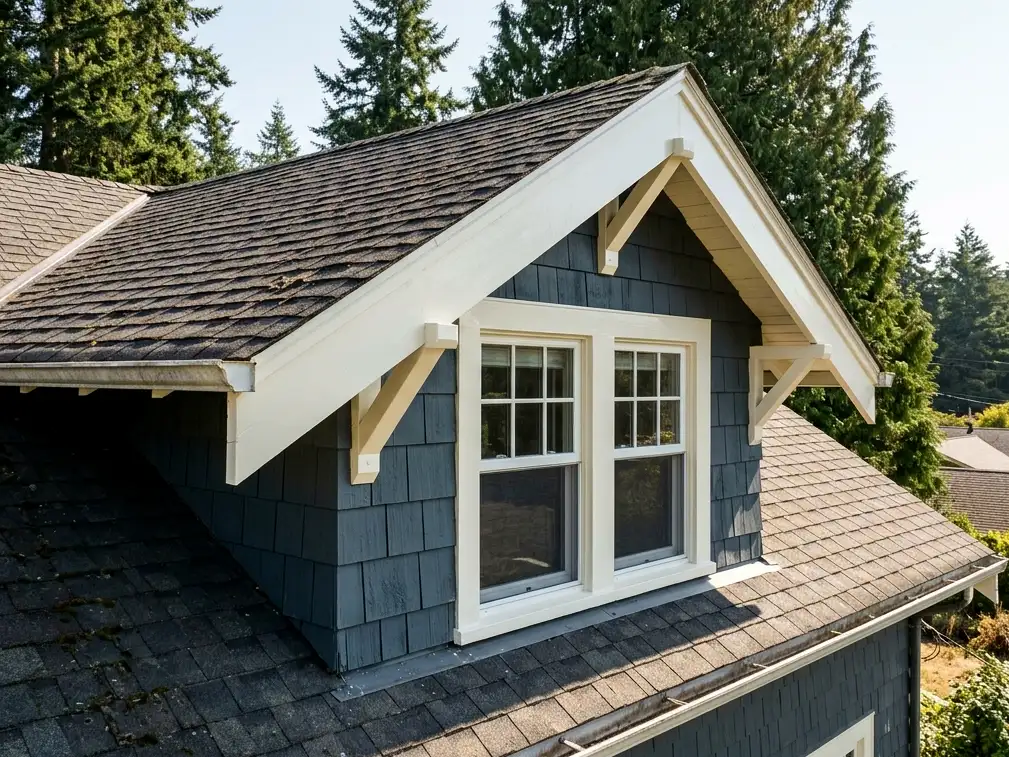
Freshly painted dormer and gable trim on a steep Tacoma roofline against evergreen trees
Prep sets the finish: most of a paint day goes into the work before color goes on.
What is included

What our siding painting covers

  • Identifying the siding material and choosing prep and primer to match
  • Soft washing to remove mildew, chalk and road grime
  • Moisture readings on wood and plywood siding before painting
  • Sealing raw T1-11 bottom edges and fiber cement cut ends
  • Scraping and spot priming peeling areas on wood lap siding
  • Vinyl-safe color selection to avoid heat warping on vinyl panels
  • Two coats of 100% acrylic exterior paint, brushed and rolled
  • Masking of windows, trim, lights and hardware during painting
Job days

How a siding painting job runs

Typical order of work on a Tacoma-area project. Weather can shift exterior days.

  1. D1

    Identify the siding and check it

    We look at the siding type, its condition and moisture levels on each wall. You get a price and a plan built for your material.

  2. D2

    Protect windows and landscaping

    Plants get covered, windows and fixtures are masked, and walkways are protected. Decks and patios under the work area get drop cloths.

  3. D3

    Wash and dry

    We soft wash the siding to remove chalk, mildew and dirt. Then we wait until wood and plywood read dry before moving on.

  4. D4

    Prep for the material

    We seal fiber cement cut ends, seal T1-11 bottom edges, scrape wood lap and clean aluminum. Damaged boards or panels are repaired or replaced.

  5. D5

    Prime where needed

    Bare wood, cedar, oxidized aluminum and repaired spots get the right primer. Sound vinyl and fiber cement may go straight to finish coats.

  6. D6

    Paint two coats and walk it

    Two coats of exterior acrylic go on in dry conditions. We walk the house with you at the end and touch up anything missed.

Cost

What moves the price of siding painting

Typical range $2.65-$4.90 per sq ft of siding. These are the things that push a job toward either end.

  1. Siding material, since wood lap and cedar shingles need more prep than fiber cement or vinyl.
  2. Height and access, including gables, steep slopes and second-story walls.
  3. Amount of scraping, sanding and spot priming on older wood siding.
  4. Repairs to swollen T1-11, cracked fiber cement or split lap boards.
  5. Color change, since a big shift from dark to light may need an extra coat.
  6. Lead-safe prep on homes built before 1978.
Local

Siding Painting around Tacoma and Pierce County

Tacoma-area siding tells the story of each neighborhood's age. In South Tacoma and Lakewood, mid-century ramblers often wear aluminum or wood lap siding, while many 1970s and 1980s split-levels in University Place and Federal Way have T1-11 plywood with swollen bottom edges from years of splash-back. Newer homes in South Hill, Bonney Lake and Sumner are mostly fiber cement, which holds paint well but chalks and fades on sunny walls. North walls across the region grow mildew in our damp months. Older Craftsmans in North Tacoma often mix cedar shingles and lap siding on the same house. For trim, doors and full-house work, our exterior painting service covers it all.

Where we do the most siding painting

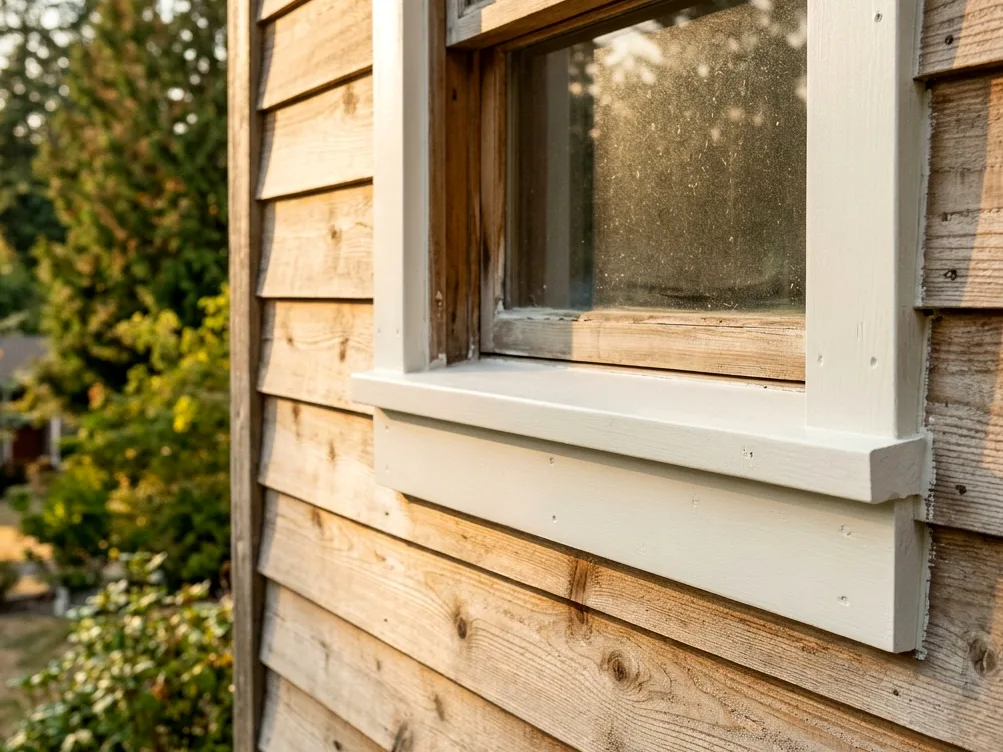
Window sill and casing rebuilt and primed on a cedar sided house in Pierce County
FAQ

Siding Painting questions from Tacoma homeowners

Is it worth painting fiber cement siding, or should I leave it?

Painting is worth it once fiber cement starts to chalk, fade unevenly or show raw cut edges. The siding itself lasts a long time, but its factory finish does not last forever, especially on south and west walls. Repainting protects the cement board from water at the edges and refreshes the color. A clean, well-primed fiber cement surface usually holds new acrylic paint very well.

My T1-11 siding is swelling at the bottom. Can it still be painted?

Often yes, if the damage is limited to the bottom edge. We check how far the swelling and delamination go. Small areas can be dried, trimmed, sealed and painted. Badly delaminated panels need to be replaced before painting, because paint will not hold on plywood that is coming apart. The key fix is sealing the bottom edges well and making sure soil, mulch and splash-back are kept away from the siding.

Can I paint my vinyl siding a darker color?

Within limits. Dark colors absorb heat, and vinyl can warp or buckle if it gets too hot. Paint companies make vinyl-safe color collections with heat-reflective pigments that allow some darker shades without that risk. We stick to those approved colors on vinyl. If you want a very dark color, we will talk through the tradeoffs honestly, since warped siding cannot be fixed with paint.

How do you clean siding before painting without damaging it?

We mostly soft wash, which uses low-pressure water and cleaning solution to kill mildew and lift chalk and dirt. High-pressure blasting can force water into wood and plywood, gouge cedar and push water behind vinyl panels, so we avoid it on most siding. After washing, we let the surface dry fully before scraping or priming. Our pressure washing page explains the cleaning step in more detail.

Do you paint siding and leave the trim the original color?

Yes, siding-only jobs are common. We mask trim, windows, doors and fixtures carefully and paint only the siding. Some homeowners like to keep existing white trim and only change the body color. Others do the trim a year later. If your trim is peeling or needs caulking, we will point that out at the walk-through so you can decide whether to include it now.

Talk to us about siding painting

Call and tell us what you are painting. We answer 24/7 and set up a walk-through at a time that suits you.

Answered 24/7(253) 478-2745