Skip to content
CPCole's Pro PaintingHouse painters, Tacoma and Pierce County Line open 24/7(253) 478-2745
Interior painting, Tacoma

Faux and decorative finishes in Tacoma, from limewash to glazes

Decorative finishes give walls something flat paint never can: movement, depth and a surface that changes as the light moves across it.

  • 24/7Phone answered
  • $6.40-$14.75Typical, per sq ft
  • 66Areas we paint
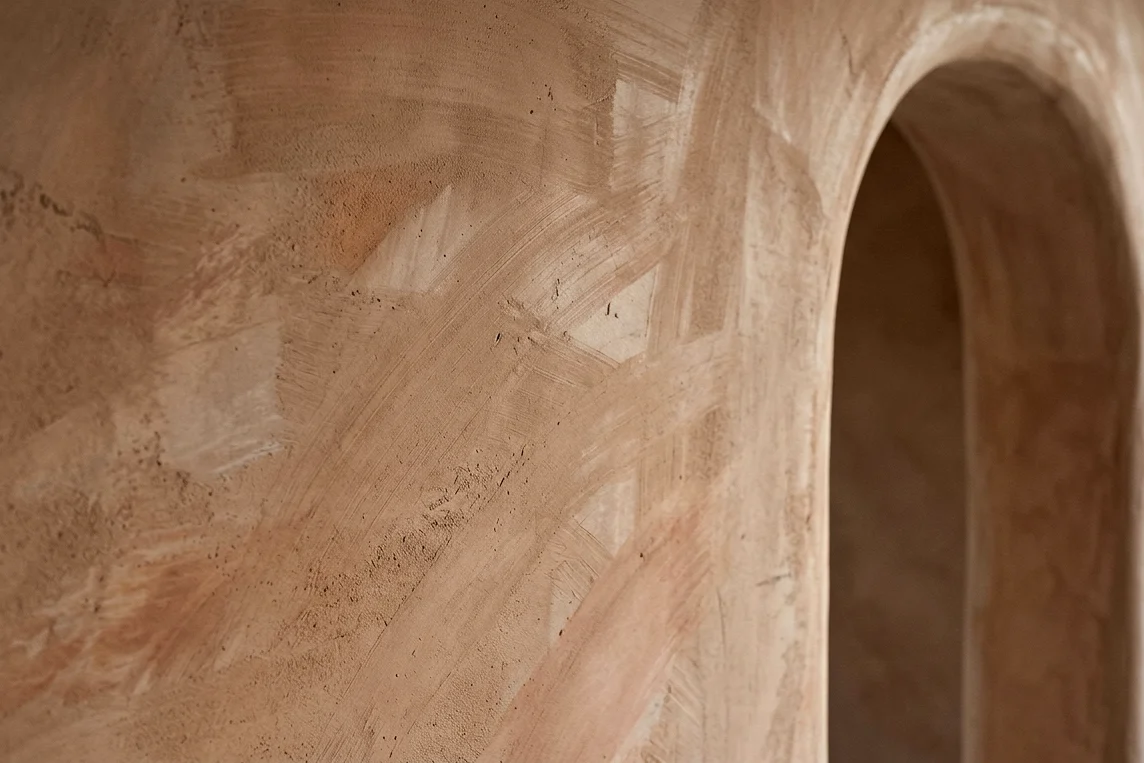
Close view of soft clay-toned limewash brushed in overlapping strokes on a plaster wall beside an arched doorway, lit by low gray afternoon window light
Quick answer

Faux and decorative finishes in Tacoma include limewash, Venetian plaster, color washing, striƩ, metallic glazes and aged wood or stone effects. We prep and base coat the wall, test the technique on a sample board you approve, then build the finish in layers by hand. Typical pricing runs $6.40-$14.75 per sq ft, set after a walk-through of the space.

Decorative finishes give walls something flat paint never can: movement, depth and a surface that changes as the light moves across it. Limewash that looks soft and chalky, Venetian plaster polished to a cool sheen, a tea-stain glaze over a cream base on old cabinets, or a subtle color wash in a powder room. These are hand techniques, and the result depends almost entirely on the person holding the brush or trowel.

We do decorative work for homeowners who want one room or one feature to feel special, and for people restoring older finishes in Tacoma's historic homes. Every finish starts with a sample board made on site, in your light, so you see exactly what you are getting before we touch the wall. We also repair and blend damaged faux finishes, which is hard to do well. Call (253) 478-2745 to talk through what you have in mind.
When to call

Signs it is time for faux & decorative finishes

Flat paint feels too plain for the room

Dining rooms, entries and powder rooms often call for a finish with more depth than a solid color.

You love the look of old European plaster

Limewash and Venetian plaster give that aged, layered texture without rebuilding the wall.

Uneven walls you want to disguise

Older plaster with waves and patches can look intentional under a mottled or troweled finish instead of flat paint.

A 1990s sponge or rag finish looks dated

Old sponged walls need proper skim coating and priming before a new finish or solid color can go over them.

A damaged faux finish needs a repair

Water damage or a wall patch in a decorative finish needs a skilled blend, not a solid-color patch that sticks out.

A fireplace, ceiling or niche needs a focal finish

Metallic glazes, plaster or limewash on a single feature can carry the whole room.

Which decorative finish fits your room and wall?

Limewash is the most requested finish we do right now. It is a mineral paint brushed on in overlapping strokes, and it dries to a soft, chalky surface with gentle shifts in tone. It works best on porous surfaces and needs a mineral primer over existing latex paint. Venetian plaster is a thin lime or acrylic plaster troweled in several layers, then burnished to a low sheen. It is harder wearing, cooler to the touch and suits entries, powder rooms, fireplace surrounds and range hoods.

Glazing and color washing are lighter-touch techniques. A tinted translucent glaze goes over a base coat and gets worked with a brush, rag or comb to create soft clouds, linen-like striƩ lines or an aged patina. These suit dining rooms and studies, and they are also how we add depth to cabinets, beams and furniture-style pieces. Metallic finishes in bronze, pewter or gold work in small doses on ceilings, niches or a single wall. We talk through how you use the room, because a busy hallway and a quiet bedroom need different durability.

Why does a sample board come before any wall gets touched?

Decorative finishes are made by hand, so no photo or brochure shows exactly how one will look in your house. The same limewash color can look warm and sandy in a south-facing room and cool and gray in a north-facing room under a Puget Sound overcast. Before we start, we make one or two sample boards on site, using the actual base coat, color and technique. You look at them in morning and evening light. If you want more contrast or a softer movement, we adjust the board until it is right.

The approved sample stays with us through the job, and we compare the wall against it as we go. That keeps the finish consistent across a big room or a two-story entry where different sections are worked at different times. It also lets us write down the exact recipe: base color, glaze ratio, tools and number of passes. If a wall gets damaged years from now, those notes make a repair possible. Pairing a finish with a solid surrounding color is easier with our color consultation visit.

How we prepare old and uneven walls for a decorative finish

Some finishes forgive a rough wall, others punish it. Limewash and heavy color washing hide small dents and old patches because the surface is meant to vary. Venetian plaster and smooth glazes show every ridge and seam, so those walls get skim coated and sanded flat first. We fill cracks, remove old anchors and fix loose tape before anything else. If a wall has bigger damage, our drywall repair work comes before the finish, and we let compound cure fully so it does not shrink under the plaster.

Old sponge-painted and rag-rolled walls from the 1990s are common in Tacoma suburbs like University Place and Fircrest. Their raised texture shows through new paint, so we sand them smooth or apply a skim coat to flatten the surface. Homes built before 1978 may carry lead paint under later layers, so sanding on those walls is done with lead-safe methods: plastic containment, misting and HEPA vacuums. The right primer matters too. Limewash needs a mineral bonding primer over latex, and Venetian plaster needs a specific base coat to grip properly.

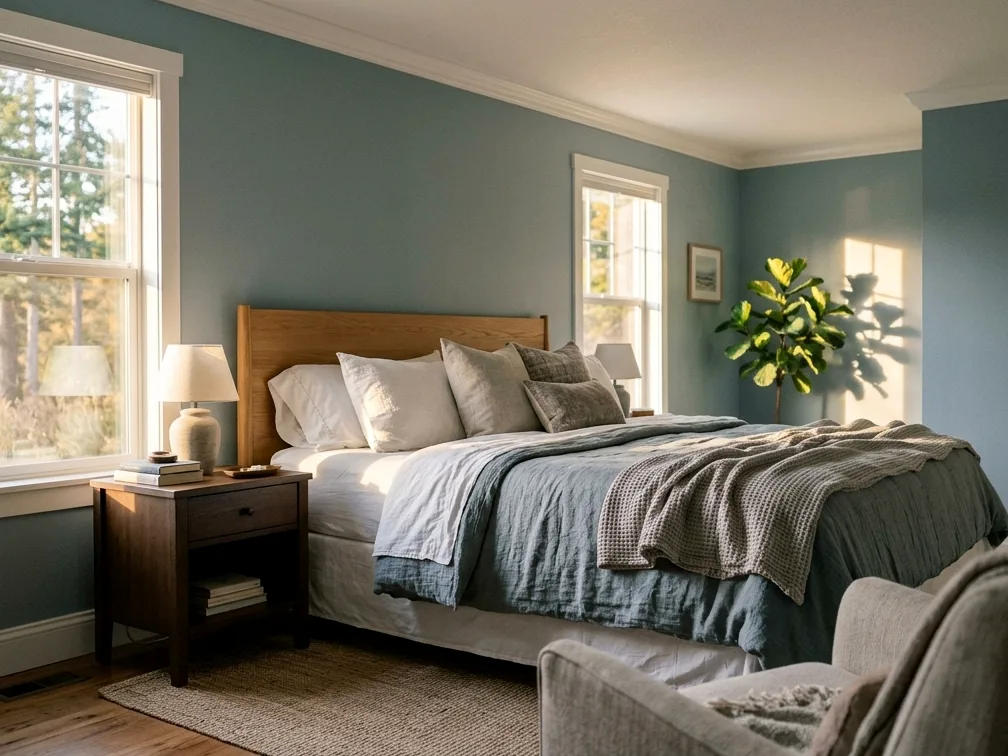
Primary bedroom painted a quiet blue gray with crisp white ceiling in a Gig Harbor home
Prep sets the finish: most of a paint day goes into the work before color goes on.
What is included

What our faux & decorative finishes covers

  • Consultation on finish type, color and where it will work best
  • On-site sample boards built in your light before final approval
  • Skim coating or sanding to correct wall surfaces before finishing
  • Base coats and bonding primers matched to the chosen technique
  • Hand-applied layers using brushes, trowels, rags or combs as needed
  • Burnishing, waxing or clear topcoat for durability where needed
  • Careful masking of trim, ceilings and built-ins throughout the work
  • Notes on the formula and technique kept for future repairs
Job days

How a faux & decorative finishes job runs

Typical order of work on a Tacoma-area project. Weather can shift exterior days.

  1. D1

    Talk through the look you want

    We visit, look at the room and photos of finishes you like, and talk about wear and use. You get a price and a recommendation on the right technique.

  2. D2

    Build sample boards on site

    We make samples using your colors and the chosen technique in your own light. You approve one before we begin, and we keep it on hand as the standard.

  3. D3

    Mask and prepare the wall

    Trim, ceilings, floors and built-ins get covered, and the wall gets filled, sanded or skim coated as the finish requires. Primer and base coats go on next.

  4. D4

    Apply the finish in layers

    We build the finish by hand, layer by layer, checking it against the approved sample. Each layer dries before the next goes on.

  5. D5

    Seal or burnish

    Venetian plaster gets burnished and waxed if needed, and glazes in busy areas get a clear protective coat. Limewash is left breathable as intended.

  6. D6

    Final walk-through and notes

    We review the finished wall with you in different light and hand you the recipe notes. You also get care tips for cleaning the finish.

Cost

What moves the price of faux & decorative finishes

Typical range $6.40-$14.75 per sq ft. These are the things that push a job toward either end.

  1. Finish type, since Venetian plaster takes more layers and burnishing than limewash or glaze.
  2. How much skim coating or sanding the wall needs before the finish goes on.
  3. Ceiling height and access, including stairwells, vaulted walls and ceilings.
  4. Number of colors and layers in the finish, and how much hand detail it requires.
  5. Removal or flattening of old sponge, rag or textured faux finishes.
  6. Clear topcoats or wax for high-traffic areas like entries, kitchens and baths.
Local

Faux & Decorative Finishes around Tacoma and Pierce County

Decorative finishes have deep roots in Tacoma's older neighborhoods. Craftsman and Victorian homes in North Tacoma and the Stadium District sometimes still carry original stenciling, glazed woodwork or aged plaster that owners want to keep or match, and limewash suits their uneven plaster walls well. In newer homes in Gig Harbor and Northeast Tacoma, we often do Venetian plaster on fireplace surrounds and range hoods or limewash on a primary bedroom wall, adding hand-made texture to otherwise smooth drywall. Our soft, gray light much of the year makes finishes with subtle movement come alive, since the walls shift gently through the day. In Seattle, Queen Anne and Madison Park homes also call for these finishes.

Where we do the most faux & decorative finishes

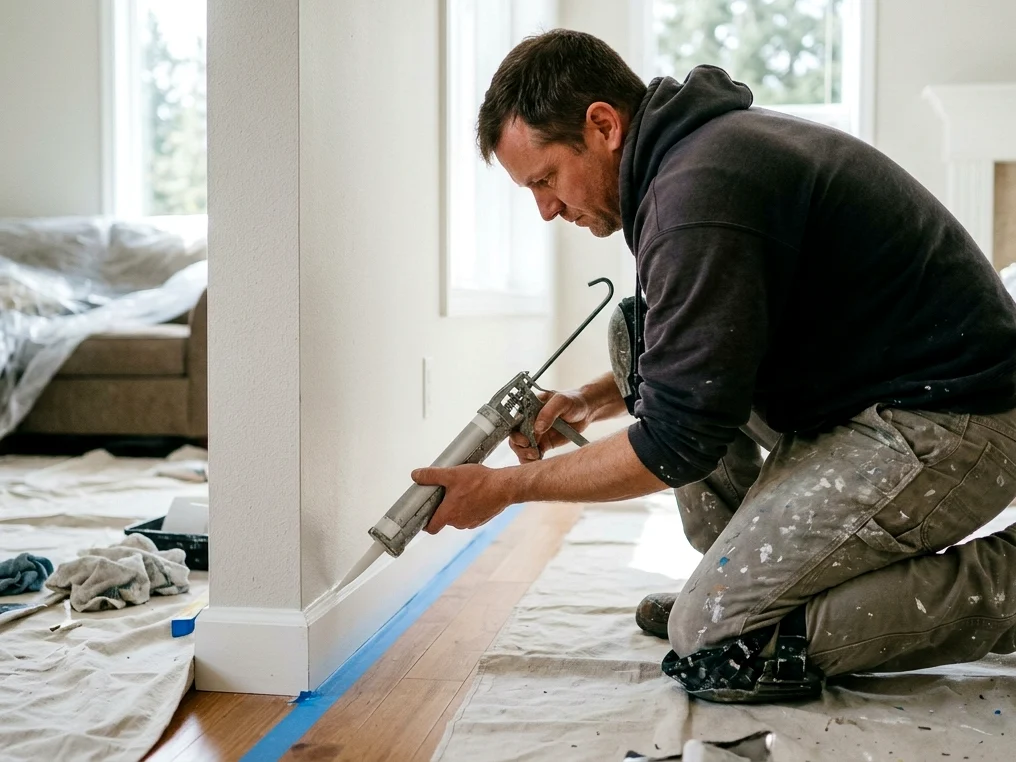
Painter caulking the joint between baseboard and wall before paint in a Puyallup living room
FAQ

Faux & Decorative Finishes questions from Tacoma homeowners

How durable is limewash on interior walls?

Limewash is durable in the sense that it does not peel, since it bonds into the surface. It is less scrubbable than modern paint, though, and heavy scrubbing can lift some of the color. It suits living rooms, bedrooms and dining rooms better than kids' hallways or mudrooms. Light marks often blend away as limewash ages, and touch-ups blend more easily than with regular paint. In busy spots we may suggest a breathable sealer or a different finish.

Can a decorative finish go over my existing painted walls?

Yes, with the right prep. Most finishes can go over sound latex paint once the wall is cleaned, repaired and primed with the correct primer. Limewash needs a mineral primer to grip a painted surface. Venetian plaster needs a specific base coat. Glossy paint gets scuffed first. Flaking, peeling or heavily textured walls need repair or skim coating first so the finish has a solid, even base.

Can you match or repair an existing faux finish?

Often we can, though it takes time. We study the existing finish to figure out the base color, glaze colors and tools, then build test patches until the blend is close. Repairs work best when we can feather the new finish into a natural break like a corner or trim line. If a finish has faded unevenly over many years, sometimes redoing the full wall gives a better result than a patch. We will tell you honestly which approach makes sense.

Do decorative finishes work in bathrooms with steam?

Some do, with the right products. Venetian plaster sealed with wax holds up well in powder rooms and in full bathrooms with good fans. Glazes can be protected with a moisture-resistant clear coat. Plain limewash is less suited to shower walls or rooms with heavy steam. In Tacoma's damp winters, we always check that the bathroom fan vents outside and runs strong before recommending a decorative finish there.

How long does a faux finish job take compared to regular painting?

Longer, because every layer is applied by hand and has to dry before the next. A single accent wall in limewash may take one to two days, while a room of Venetian plaster with skim coating can take three to five days including cure time. Sample boards add time up front but save rework later. We give you a schedule at the walk-through and keep the room masked and tidy between layers.

Talk to us about faux & decorative finishes

Call and tell us what you are painting. We answer 24/7 and set up a walk-through at a time that suits you.

Answered 24/7(253) 478-2745