Skip to content
CPCole's Pro PaintingHouse painters, Tacoma and Pierce County Line open 24/7(253) 478-2745
Interior painting, Tacoma

Accent walls in Tacoma, painted with sharp edges and deep color

A good accent wall looks like it was always meant to be there.

  • 24/7Phone answered
  • $340-$780Typical, per wall
  • 66Areas we paint
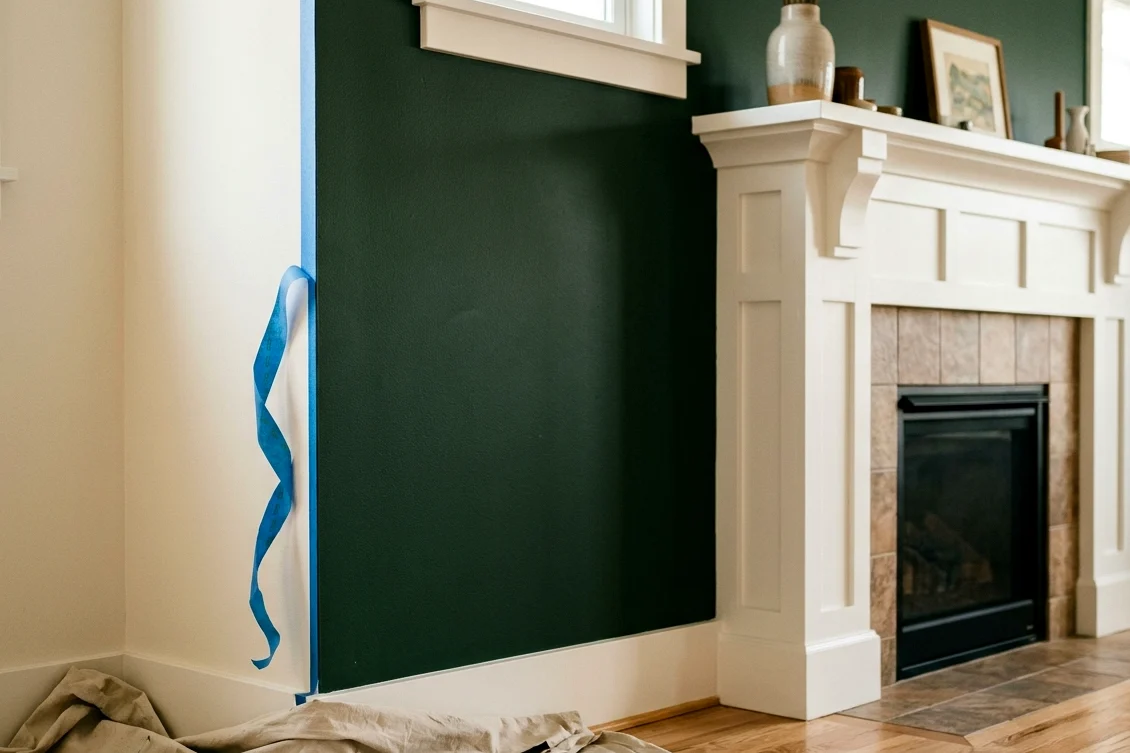
Deep forest green accent wall behind a white fireplace mantel in a Craftsman living room, painters tape peeling away along a crisp corner
Quick answer

An accent wall in Tacoma is one wall, or one architectural feature, painted a stronger color or finish than the rest of the room. We repair and sand the wall, use a tinted primer under deep colors, tape and seal the corners for clean lines, then apply two or three coats. Typical pricing is $340-$780 per wall, confirmed after a walk-through.

A good accent wall looks like it was always meant to be there. A bad one looks like someone ran out of paint. The difference is mostly about choosing the right wall and getting the edges perfectly straight where the strong color meets the lighter one. We paint accent walls in living rooms, bedrooms, home offices and dining rooms across Tacoma, from charcoal behind a bed to deep forest green on a fireplace wall in a Proctor District Craftsman.

Deep colors are harder to apply than they look. Dark navy, black and saturated greens show every roller lap, patch and pinhole, and they often need a gray-tinted primer and an extra coat to look even. We prep the wall like it will be lit by a spotlight, because it often is. Geometric designs, color-blocked arches and half-wall treatments are part of the work too. Call (253) 478-2745 and we'll walk through the room with you.
When to call

Signs it is time for accent walls

A large room with no focal point

Open living areas in newer homes can feel like a blank box until one wall gives the eye a place to land.

A fireplace or built-in that disappears

Painting the wall behind a mantel or bookcase in a deeper tone makes the feature read as the center of the room.

A bedroom that needs a headboard wall

A darker wall behind the bed adds weight and coziness without painting the whole room a heavy color.

Video calls show a plain beige background

Home office walls on camera look better with a richer color behind your desk, and the room feels more finished in person.

You want to try a bold color with less risk

One wall is a low-commitment way to live with a strong color before deciding on a whole room.

An old accent wall looks dated or patchy

Faded red or purple feature walls from past decades need proper priming to cover them in one clean pass.

Which wall should get the accent color?

The best accent wall is usually the first one your eye lands on when you walk in, or the one behind the main piece of furniture. In a living room that is often the fireplace wall or the wall behind the sofa. In a bedroom it is the headboard wall. We avoid walls broken up by several doors and windows, because the color gets chopped into small pieces and loses its effect. A wall with one large window can work well, though, since the deep color frames the view.

Light direction changes everything in western Washington. A north-facing room in a West Slope rambler gets cool, flat light most of the year, so a deep blue there can look nearly black. The same blue on a south-facing wall in Gig Harbor reads brighter and warmer. We bring sample boards and put them on the actual wall, then ask you to look at them in the morning and evening before deciding. If you are unsure about the whole palette, a color consultation visit pulls the accent and surrounding walls together.

How we get perfectly sharp lines between two colors

Clean corners are the whole job on an accent wall. We paint the lighter adjacent walls first, let them dry fully, then run painter's tape down the inside corner on the light side. Here is the step most people skip: we brush a thin coat of the lighter wall color over the tape edge first. That seals the tape so any bleed is the same color as the wall underneath it. Then the accent color goes on, and when the tape comes off the line is crisp with no fuzzy creep.

Where an accent wall meets a textured ceiling, a straight line is harder because the texture is uneven. We cut those freehand with a quality angled brush, often after lightly scraping a narrow band of texture flat right at the corner so the line can be sharp. For geometric patterns, half walls and arches, we lay out the design with a laser level and a pencil, check it with you before any paint goes on, and seal every taped edge the same way. Tape comes off while the last coat is still slightly soft for the cleanest edge.

Why do deep colors need special primer and extra coats?

Deep and saturated paints use a clear base with lots of colorant, which means less of the white pigment that gives paint its hiding power. Over a white or beige wall, a dark green or navy can take three or four coats to look solid, and each coat can show slightly different sheen. A gray-tinted primer, matched to the depth of the color, gives the finish coats a head start. Most deep accent walls then look even in two coats, sometimes three, with fewer lap marks.

Dark colors also show surface flaws that a light wall hides. Nail holes, old anchors and drywall seams that looked fine under beige pop out under charcoal, especially with light raking across from a window. We fill and sand those areas, spot-prime them so they do not flash, and use a flat or matte sheen that downplays texture. If the wall has bigger issues like cracked seams or dents, our drywall repair work comes first. Eggshell can work on accent walls in busy rooms, but it shows flaws more.

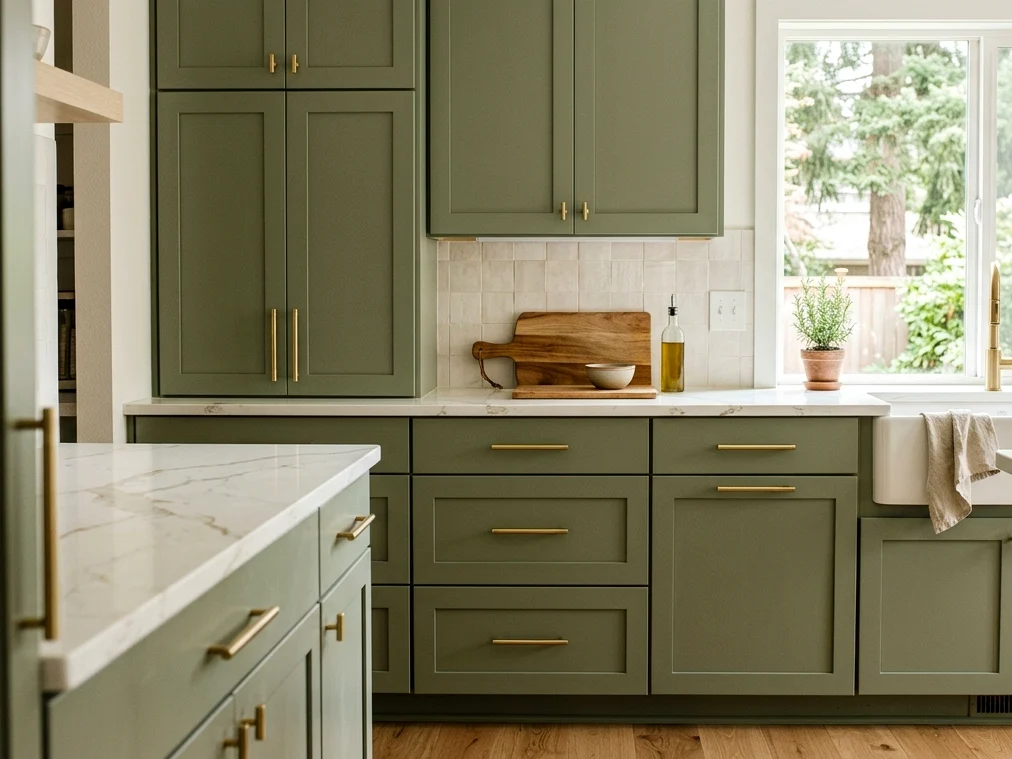
Kitchen with newly painted sage green cabinets, brass pulls and quartz counters in a University Place home
Prep sets the finish: most of a paint day goes into the work before color goes on.
What is included

What our accent walls covers

  • Help choosing which wall works best for the room's layout
  • Hole filling, sanding and spot-priming so dark paint lies flat
  • Gray or color-tinted primer matched to deep finish colors
  • Corner tape sealed with base color to prevent bleed lines
  • Two or three finish coats until the color reads even
  • Clean cut lines at the ceiling, adjacent walls and baseboards
  • Optional geometric, arch or half-wall designs laid out with levels
  • Leftover paint labeled with color and room for future touch-ups
Job days

How a accent walls job runs

Typical order of work on a Tacoma-area project. Weather can shift exterior days.

  1. D1

    Look at the room together

    We walk the room with you, talk about which wall and which color, and check the surface condition. You get a clear price before any work begins.

  2. D2

    Test samples on the wall

    We put large sample swatches on the chosen wall so you can see them in your own light. You decide on the final color after seeing it at different times of day.

  3. D3

    Protect and prepare

    Floors and nearby furniture get covered, outlet plates come off, and holes get filled and sanded. Patches get spot-primed so they do not show through dark paint.

  4. D4

    Prime with tinted primer

    We roll a primer tinted toward the finish color. This cuts down the number of coats and evens out the surface.

  5. D5

    Tape, seal and paint

    Corners get taped and sealed with the adjacent wall color first. Then two or three finish coats go on until the color is solid and even.

  6. D6

    Pull tape and check the lines

    Tape comes off carefully, and we touch up any spot that needs it with a fine brush. We walk the finished wall with you and leave labeled leftover paint.

Cost

What moves the price of accent walls

Typical range $340-$780 per wall. These are the things that push a job toward either end.

  1. Wall size and ceiling height, including two-story walls in great rooms and stairwells.
  2. How deep the color is, since darker tones may need tinted primer and a third coat.
  3. Patching and sanding needed to hide holes, anchors and seams under dark paint.
  4. Geometric, arch or color-block designs that require layout and extra taping time.
  5. Textured ceilings that need careful freehand cutting or a scraped band at the edge.
  6. Whether the adjacent walls are also being painted in the same visit.
Local

Accent Walls around Tacoma and Pierce County

Tacoma homes give accent walls very different starting points. Craftsman bungalows in the Proctor District and North Tacoma often have built-in bookcases, fireplace surrounds and box beam ceilings, where a deep green or dusty blue behind the woodwork makes original details stand out. Newer homes in Puyallup and South Hill tend to have big open great rooms with tall walls and one natural focal point, which is perfect for a single charcoal or navy wall. Because our long gray season keeps natural light soft from fall into spring, warm deep tones like clay, olive and plum often feel better here than cool, icy darks. If you are repainting more than one room, we can plan the accent into a larger interior painting job.

Where we do the most accent walls

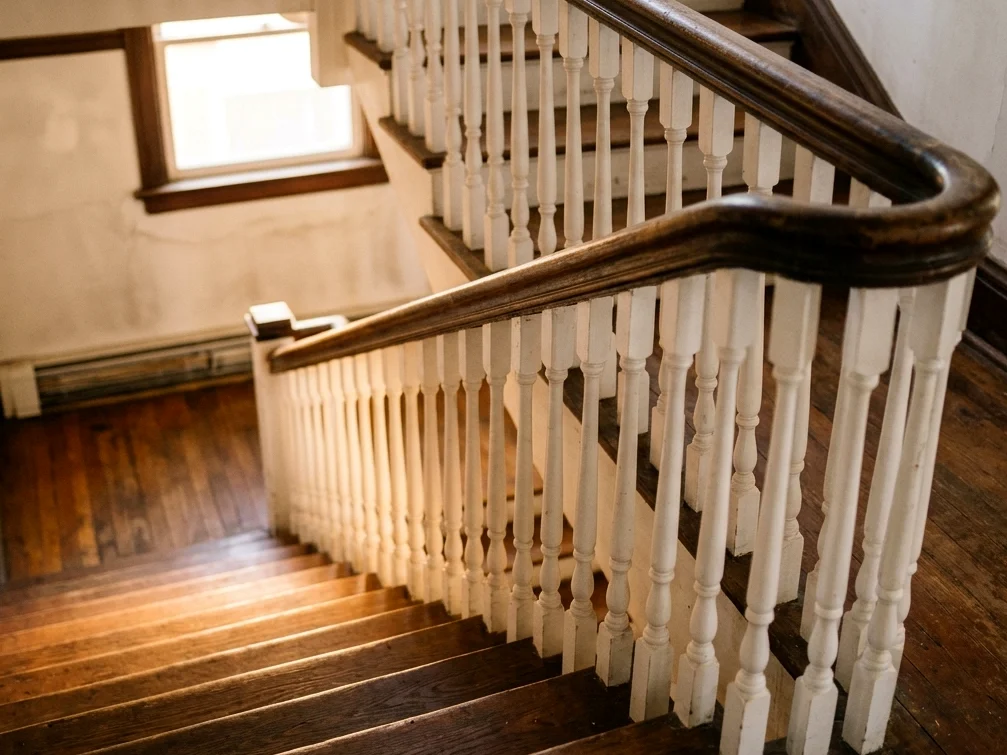
Interior stairwell with white painted balusters and a dark stained handrail in an older Tacoma house
FAQ

Accent Walls questions from Tacoma homeowners

Does an accent wall have to be the darkest color in the room?

Not always. An accent wall just needs to contrast with the walls around it. In a room with dark walls, a lighter accent can work, though that is less common. Some accent walls use the same color as the room in a different sheen, or a textured or wallpaper finish instead of paint. The key is that the change looks deliberate and lines up with an architectural feature, like a fireplace, alcove or the wall behind a bed.

Can you paint an accent wall with a geometric or mural-style pattern?

Yes. We lay out geometric designs, arches, angled color blocks and half-wall treatments with a laser level and pencil marks, then confirm the layout with you before painting. Each taped edge gets sealed so the lines stay sharp. Very complex patterns with many colors take more time, so we price those individually. For textured or decorative looks like plaster effects or color washing, our faux finishes work is a better fit.

Will a dark accent wall make a small room feel smaller?

Usually the opposite. A deep color on one wall tends to make that wall visually recede, which can make a small room feel deeper. It works best on the wall opposite the door or behind the bed. What can make a small room feel cramped is painting all four walls dark with poor lighting. We often suggest testing a large swatch for a few days before committing, especially in rooms with little natural light.

How hard is it to cover an old accent wall with a lighter color?

Covering dark red, purple, navy or black with a light color takes planning. We start with a high-hide primer, sometimes two coats over very saturated colors like bright red, then two finish coats. Skipping the primer usually means four or more coats of finish paint and a patchy result. Our price for covering an old accent wall accounts for the extra primer, so there are no surprises when we arrive.

What sheen should an accent wall be?

We usually recommend flat or matte on accent walls, especially in deep colors. Low sheen absorbs light, which makes the color look richer and hides small surface flaws. Eggshell is fine in a hallway or family room where kids and pets brush against the wall, since it wipes clean more easily. Higher sheens like satin and semi-gloss make deep colors look streaky and show every bump, so we keep those for trim and doors.

Talk to us about accent walls

Call and tell us what you are painting. We answer 24/7 and set up a walk-through at a time that suits you.

Answered 24/7(253) 478-2745