Skip to content
CPCole's Pro PaintingHouse painters, Tacoma and Pierce County Line open 24/7(253) 478-2745
Specialty painting, Tacoma

Garage floor epoxy in Tacoma, ground and moisture tested first

A bare concrete garage floor in the Puget Sound area sheds dust, soaks up oil and stains orange from the wet grit that drips off tires all winter.

  • 24/7Phone answered
  • $3,240-$6,180Typical, per two-car garage
  • 66Areas we paint
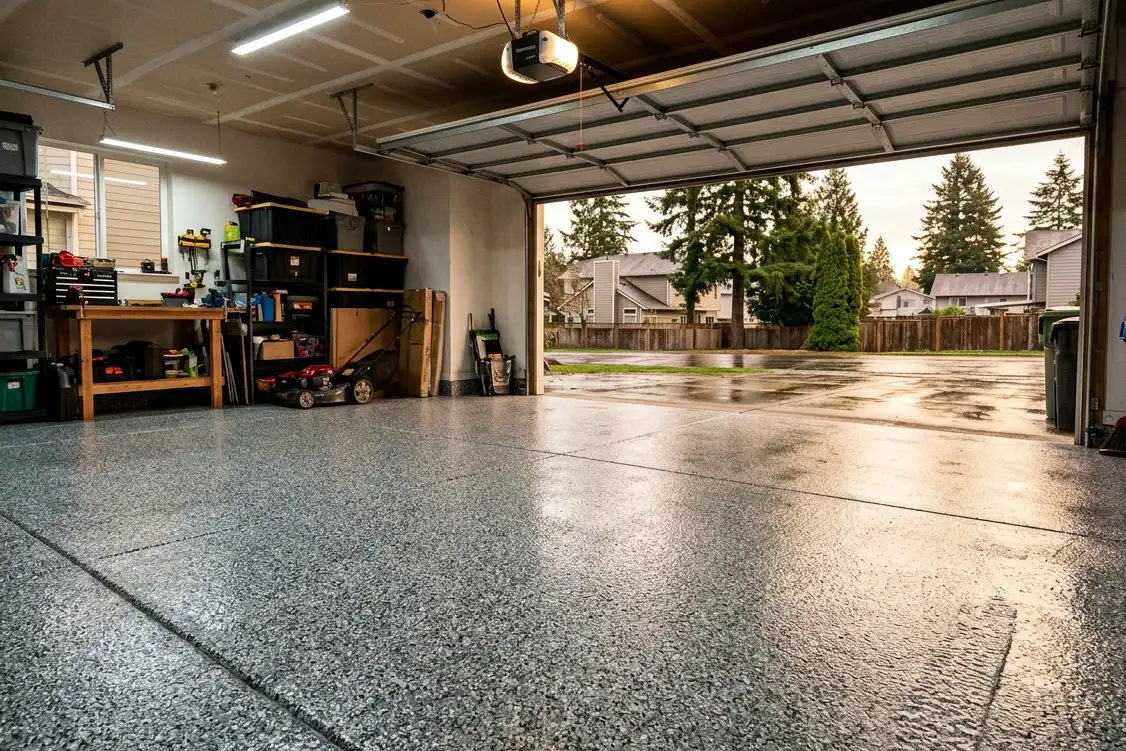
Two-car garage with a new gray and black flake epoxy floor reflecting overhead lights, garage door open to a damp Puyallup driveway
Quick answer

Garage floor epoxy in Tacoma means testing the slab for moisture, diamond grinding the concrete, repairing cracks, then laying a 100% solids epoxy base coat, decorative flake and a clear polyaspartic or urethane topcoat. A typical two-car garage runs $3,240-$6,180 after a walk-through, depending on slab condition, moisture, size and the finish system chosen.

A bare concrete garage floor in the Puget Sound area sheds dust, soaks up oil and stains orange from the wet grit that drips off tires all winter. Painted floors and the roll-on kits from the hardware store tend to lift in the tire paths within a year, because hot tires grab the coating and pull it away from a slab that was never prepared properly.

A real epoxy system is different from paint. We grind the concrete with diamond tooling to open the surface, fill cracks and pits, then lay down a thick epoxy base that bonds into the slab. Decorative flake hides dirt and adds grip, and a clear topcoat takes the wear. The result is a floor that wipes clean and handles road salt and drips. For a porch, stoop or patio, our porch and concrete floor painting is the better match. Call (253) 478-2745 to book a walk-through.
When to call

Signs it is time for garage floor epoxy

Concrete dust on everything

A slab that leaves gray powder on shoes and shelves is wearing at the surface, and a sealed coating stops that for good.

Oil stains that will not lift

Bare concrete soaks up oil, transmission fluid and coolant, and those stains only spread once they are in the pores.

Old coating peeling in tire paths

Hot tire pickup means the previous coat had a weak bond, and it needs to be ground off before a new system goes down.

Pitting and spalled spots

Small craters and flaking near the garage door usually come from water and grit, and they get worse each winter.

Hard to keep clean

If sweeping just moves grit around, a smooth sealed floor with flake makes cleanup a quick job with a mop.

Garage used as a shop or gym

Floors that see tools, weights or hobby work benefit from a tough, bright surface that resists drops and spills.

Why do DIY garage floor coatings fail on Tacoma slabs?

The main reason is surface prep. Most store kits rely on an acid etch, which barely touches the dense top layer of a troweled garage slab. The coating then sits on a thin skin of weak cement paste instead of bonding into solid concrete. Add a hot tire after a drive on I-5 and the coating can lift right off. Diamond grinding removes that weak layer and leaves a texture similar to medium sandpaper, so the epoxy bonds deeply.

Moisture is the second reason, and it is a big one in western Washington. Many garage slabs, especially on older ramblers and split-levels, were poured without a vapor barrier. Ground water pushes up through the concrete as vapor, and a sealed coating can blister if the reading is high. We test the slab first. When the moisture reading is high, we use a moisture-tolerant primer under the epoxy, which costs more but saves the floor from failing in its first wet season.

Epoxy, polyaspartic or polyurea: which garage floor system fits?

Each material has a job. A 100% solids epoxy base builds thickness, fills small flaws and bonds strongly to ground concrete. It is not very UV stable, so on its own it can yellow in a garage that gets sun through the open door. Polyaspartic and polyurea coatings cure faster, stay clear in sunlight and resist scratches and chemicals better. That is why most of our systems use epoxy below and a polyaspartic or urethane clear coat on top.

Single-day polyaspartic systems are popular because the garage is back in use sooner, but they cure quickly and need good conditions. In a cold Tacoma garage in February, we may suggest a slower epoxy system or bring in heat to bring the slab up to temperature. For a heavy-use shop with jacks and rolling toolboxes, we can add a thicker build or a second clear coat. We talk through how you use the space before picking a system.

How do you keep an epoxy garage floor from getting slippery?

Smooth epoxy can get slick when wet, and Tacoma cars bring a lot of water in from November through April. Decorative flake is the first line of defense, because the chips create a slight texture across the whole floor. With full flake coverage, the floor has a fine pebbled feel that grips shoes and tires. With partial coverage, we can mix a fine anti-slip additive into the topcoat to add traction without making the floor hard to clean.

Flake blend also changes how the floor lives day to day. Grays and earth tones hide the road grit and dried water spots that collect near the door. Lighter blends brighten a dark garage but show more dirt. We bring flake samples to the walk-through so you can see them in your own garage light. Many homeowners pair a new floor with garage door painting so the whole garage looks finished inside and out.

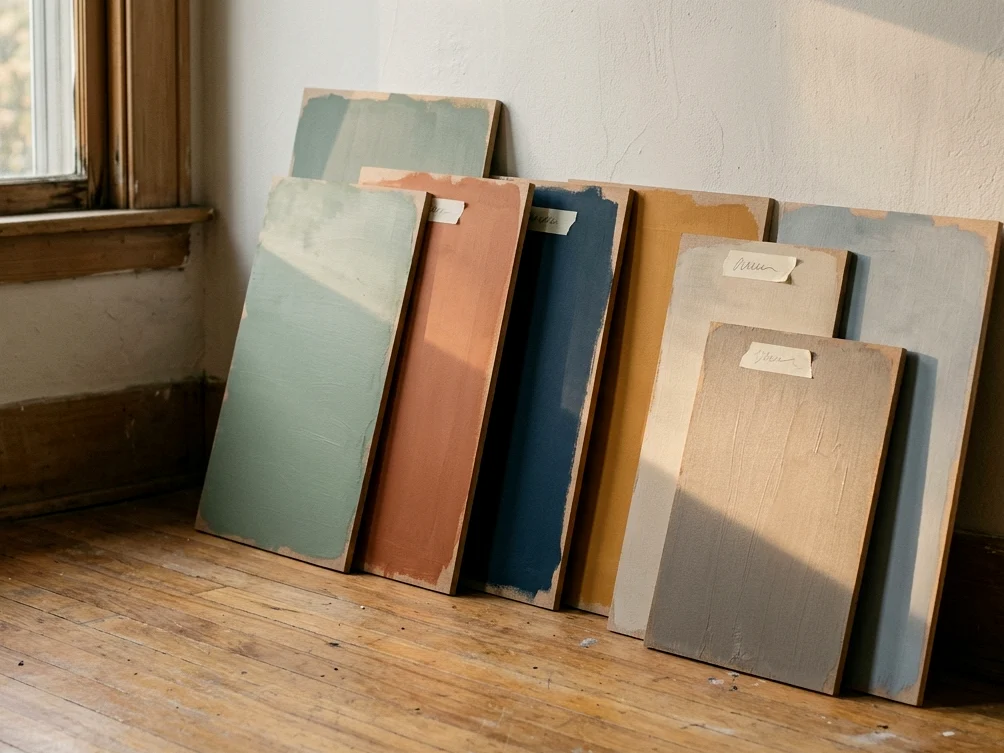
Painted color sample boards propped against a wall beside a window with soft gray northern light
Prep sets the finish: most of a paint day goes into the work before color goes on.
What is included

What our garage floor epoxy covers

  • Moisture test on the slab before any coating is planned
  • Diamond grinding of the full floor for a proper concrete profile
  • Removal of old paint or failed coatings in the grinding pass
  • Crack and pit repair with epoxy or polyurea patch material
  • 100% solids epoxy base coat rolled at full thickness
  • Decorative flake broadcast in your chosen blend and coverage
  • Clear polyaspartic or urethane topcoat for wear and UV resistance
  • Cove or stem wall coating plus dust control and full cleanup
Job days

How a garage floor epoxy job runs

Typical order of work on a Tacoma-area project. Weather can shift exterior days.

  1. D1

    Test and plan

    We measure the garage, test slab moisture and check for old coatings and cracks. You get a system recommendation and a range.

  2. D2

    Clear and protect

    The garage is emptied, walls are masked at the base, and doors are covered. We set up dust control before grinding.

  3. D3

    Grind the slab

    Diamond grinders take off the weak surface layer and old coatings. Edges and corners get hand grinding so the profile is even.

  4. D4

    Repair cracks and pits

    Cracks are chased and filled, and spalled spots are patched. Repairs are ground flush so they disappear under the coating.

  5. D5

    Lay base and flake

    The epoxy base coat goes down at full thickness, and flake is broadcast while it is wet. Excess flake is scraped and vacuumed after cure.

  6. D6

    Topcoat and cure

    A clear topcoat seals the flake and takes the wear. We tell you when foot traffic and vehicle traffic are safe.

Cost

What moves the price of garage floor epoxy

Typical range $3,240-$6,180 per two-car garage. These are the things that push a job toward either end.

  1. Garage size, including any shop area, stairs or steps into the house.
  2. Slab moisture level and whether a moisture-tolerant primer is needed.
  3. Old paint or coatings that must be ground off before new work.
  4. The number and size of cracks, pits and spalled areas to repair.
  5. Full flake versus partial flake, and the type of clear topcoat.
  6. Cove base or stem wall coating along the edges of the floor.
Local

Garage Floor Epoxy around Tacoma and Pierce County

Garage floors around Tacoma vary with the age of the house. Mid-century ramblers in Lakewood and University Place often have older, uneven slabs with oil stains, pitting and no vapor barrier, so moisture testing and patching matter there. Newer homes in South Hill, Puyallup and Bonney Lake usually have smoother slabs but bigger garages with three bays or a shop, and many of those homeowners use the space as a workshop or gym. Because epoxy cures slower in a cold garage, winter jobs may need heat. We can coat garages year-round as long as the slab temperature and moisture are within the product limits.

Where we do the most garage floor epoxy

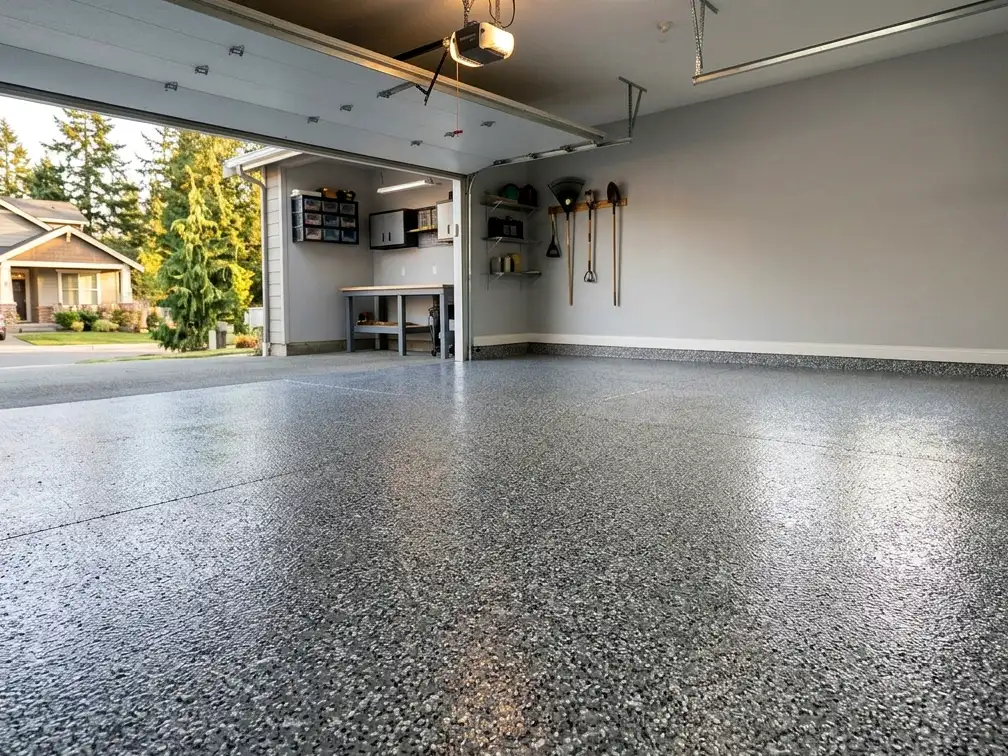
Garage floor with a fresh speckled epoxy coating and clean painted walls in a Tacoma area home
FAQ

Garage Floor Epoxy questions from Tacoma homeowners

How long before I can park on a new epoxy garage floor?

Foot traffic is usually fine within a day, depending on the system and garage temperature. Vehicles should wait longer, often several days for epoxy and less for a fast-curing polyaspartic. In a cold garage, cure times stretch. We give you the exact timing for your floor, and we recommend putting a mat under hot tires for the first couple of weeks if you drive in often.

Will epoxy cover the cracks in my garage slab?

Small cracks and pits are filled and ground flush before coating, so they mostly disappear under the flake. Larger cracks that move with the seasons can still show as a thin line over time, because the concrete keeps moving under the coating. We point those out during the walk-through. Control joints, the straight cuts in the slab, can be filled or left as lines depending on your preference.

Do you need to empty my garage for the job?

Yes. The whole floor needs to be clear for grinding and coating, including shelving that sits on the slab. Wall-mounted storage can usually stay. Most homeowners move items to the driveway under a tarp or into a spare room for a few days. If you need help planning around a car or freezer, call us at (253) 478-2745 and we will work out the timing with you.

Is an epoxy floor safe with road salt and car fluids?

Yes. A properly cured epoxy system with a clear topcoat resists road salt, oil, antifreeze and most household chemicals. Spills wipe up instead of soaking in. Brake fluid and some solvents can soften a coating if left to sit, so wipe those up quickly. Sweeping grit and mopping with a mild cleaner now and then keeps the floor looking good for years.

Can you coat a basement or shop floor the same way?

Often yes. Basement slabs need a careful moisture test because they sit below grade and pull in more ground water. Shop floors may need a thicker build for jacks and rolling tools. We grind and coat both the same way as a garage, with the system adjusted for moisture and use. For walls and ceilings in a shop, our interior painting work can finish the space.

Talk to us about garage floor epoxy

Call and tell us what you are painting. We answer 24/7 and set up a walk-through at a time that suits you.

Answered 24/7(253) 478-2745