Skip to content
CPCole's Pro PaintingHouse painters, Tacoma and Pierce County Line open 24/7(253) 478-2745
Interior painting, Tacoma

Interior painting in Tacoma, done room by room with clean lines

Most interior jobs we see around Tacoma start with walls that have simply worn out: grip marks by the light switches, patched holes from a past tenant, or a gray that looked fine ten years ago and now reads cold under our long overcast winters.

  • 24/7Phone answered
  • $640-$1,180Typical, per room
  • 66Areas we paint
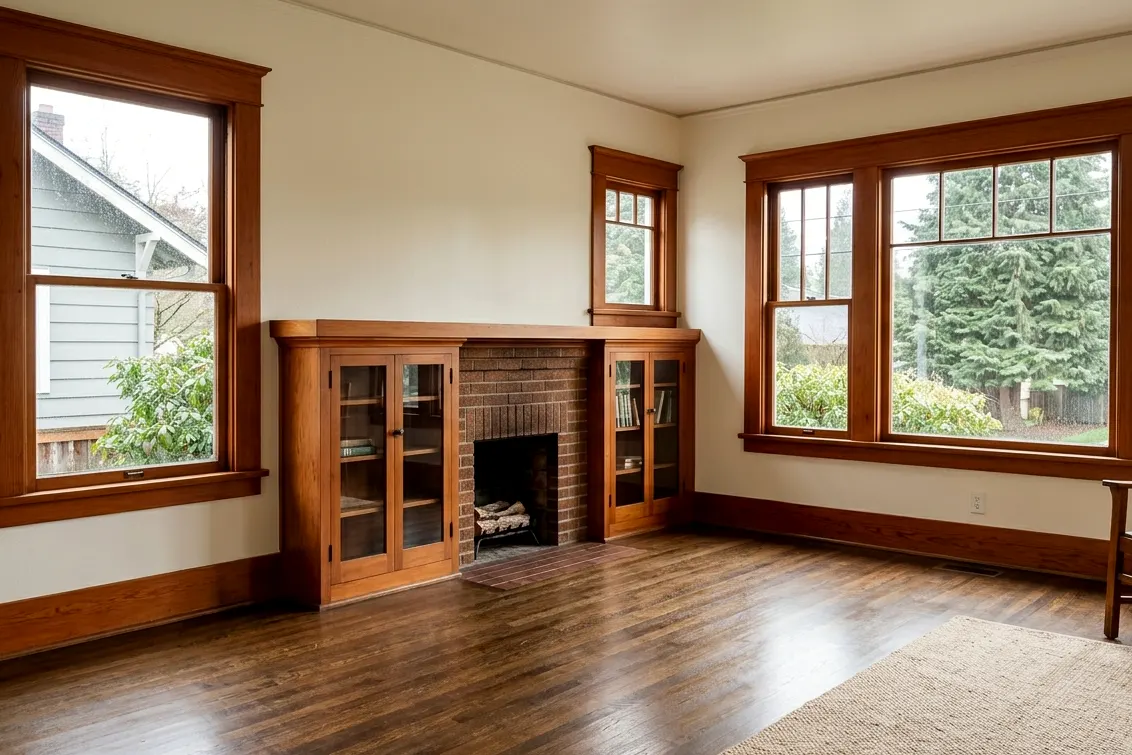
Freshly painted warm white living room with dark oak floors and tall fir window casings in a North Tacoma Craftsman on a gray afternoon
Quick answer

Interior painting in Tacoma covers moving and covering furniture, filling nail holes and dings, sanding, spot priming, cutting in edges by hand and rolling two finish coats on the walls, with ceilings and trim as add-ons. A typical bedroom runs $640-$1,180 and a full main floor $3,860-$7,240, depending on wall height, repairs and color change. Your price is set after a walk-through.

Most interior jobs we see around Tacoma start with walls that have simply worn out: grip marks by the light switches, patched holes from a past tenant, or a gray that looked fine ten years ago and now reads cold under our long overcast winters. We take those rooms one at a time, moving furniture to the center, covering floors with canvas and taping only where a hand-cut line would not hold.

Prep is where an interior job is won or lost. We fill and sand dings, caulk open trim joints and spot-prime stains and patches so they do not flash through, then cut in by brush and roll two coats. If a wall needs more than filler, our drywall repair work happens first, and if you are stuck between two swatches, a short color consultation in your own light saves a repaint.
When to call

Signs it is time for interior painting

Scuffs that will not wash off

Flat paint in hallways and kids' rooms burnishes and holds marks. A washable eggshell or matte enamel solves that for years.

Visible patches and flashing

Old touch-ups show as dull or shiny squares when low winter light hits the wall from the side.

Color that feels dark in winter

Rooms facing north or sitting under big firs lose light from October to May, and a warmer, lighter color helps more than brighter bulbs.

Cracks at corners and seams

Hairline cracks over doors and along tape seams usually mean the house has settled, and the joints need retaping before paint.

Getting ready to sell or move in

Fresh, neutral walls photograph better, and painting an empty house before furniture arrives is faster and cheaper.

Peeling paint in the bathroom

Paint lifting near the shower points to moisture and a weak fan. It needs scraping and a primer made for damp rooms.

Which sheen holds up best on Tacoma interior walls?

Sheen matters more than most people expect. Flat hides wall flaws beautifully, which is why many older plaster rooms in North Tacoma look best in it, but it scuffs when a backpack brushes past. Eggshell gives a soft glow and wipes clean, and it is our default for living areas and bedrooms. Satin goes in kitchens, kids' rooms and laundry rooms where hands and steam are constant. Semi-gloss belongs on trim and doors, not full walls, because it shows every roller mark and patch.

Bathrooms deserve their own thought. In our damp climate, a bathroom without a strong fan grows mildew on the ceiling every winter, so we use a paint with mildewcide built in and a satin sheen that sheds moisture. We also check the fan while we are there. If the steam is not leaving the room, the best paint made will still spot. We'll tell you that plainly before we start, so you are not paying to repaint the same ceiling in two years.

How we keep a lived-in house usable while we paint

Most of our interior work happens with families still living in the house, often with a dog and a work-from-home desk in the middle of it. We plan the order so the rooms you need most come back first, usually bedrooms early in the week and the main living space after. Each evening we pull tape where it is ready, roll up drop cloths in walkways and leave the room usable. Low-odor paint means most bedrooms can be slept in the same night.

Pets and small kids get extra care. We keep doors closed on rooms with wet paint and keep tools and buckets out of reach at the end of each day. In older homes around the Stadium District, we test suspect paint on trim and walls first, and any pre-1978 surfaces we sand get lead-safe methods: plastic sheeting, misting, HEPA vacuums and careful cleanup. That part is not optional for us, and it is built into the price from the start.

What changes the number of coats a room needs?

Two coats is our standard for a reason: one coat rarely gives even color, especially over patches. Some rooms need more. Going from a deep red or navy wall to a light color usually takes a tinted primer plus two coats. Fresh drywall mud needs a primer coat so it does not soak up paint and look dull. Smoke-stained or water-marked areas need a shellac or oil-based stain blocker, or the marks bleed back through within days.

Going the other direction, from light to a rich dark color, also takes extra work. Deep bases cover poorly and can look streaky until the third coat, so we budget time for it when you pick a color like charcoal or forest green. If you want one bold wall rather than a full room, our accent walls work is often the cheaper way to get that look. We tell you the coat count at the walk-through, so the estimate holds.

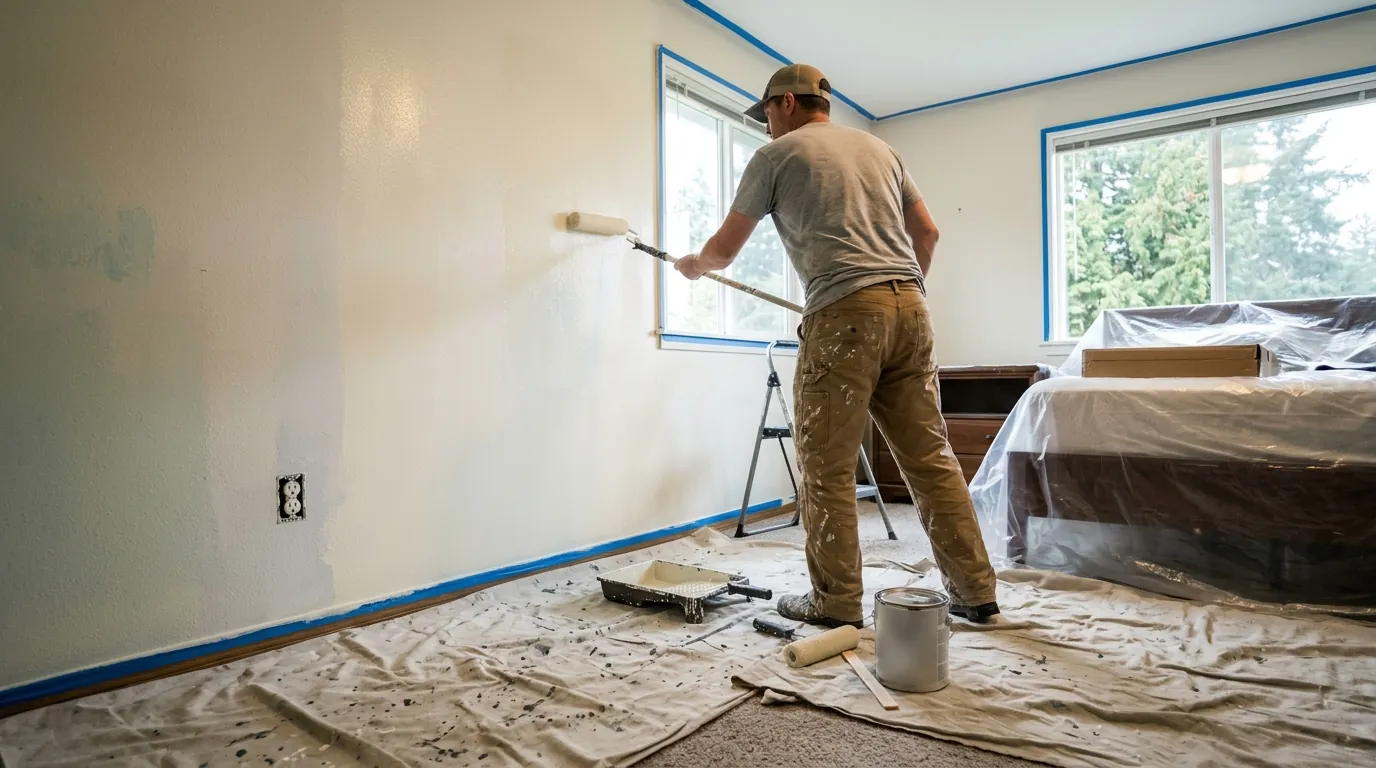
Painter rolling an eggshell finish onto a bedroom wall with drop cloths and taped trim in a Pierce County home
Prep sets the finish: most of a paint day goes into the work before color goes on.
What is included

What our interior painting covers

  • Furniture moved to the room center and covered with plastic
  • Floors protected with canvas drop cloths and taped paper at edges
  • Nail holes, dings and small cracks filled and sanded smooth
  • Stain-blocking primer on water marks, patches and smoke shadows
  • Hand-cut lines at ceilings, trim and between wall colors
  • Two finish coats of washable, low-VOC interior paint
  • Switch plates and outlet covers removed and reinstalled
  • Daily cleanup and a final walk-through with touch-ups
Job days

How a interior painting job runs

Typical order of work on a Tacoma-area project. Weather can shift exterior days.

  1. D1

    Walk-through and color plan

    We walk each room with you, note repairs and agree on colors and sheens. You get a written scope with a price for each room.

  2. D2

    Room setup

    Furniture moves to the center under plastic and floors get canvas. We take down plates, hardware and anything hanging on the walls.

  3. D3

    Repair and sanding

    We fill holes, tape cracks, caulk trim gaps and sand everything smooth. Patches get spot-primed so the finish coats look even.

  4. D4

    Cut in and roll

    Edges are cut in by brush along ceilings and trim, then walls are rolled in sections to keep a wet edge. The second coat follows once the first has dried.

  5. D5

    Detail and reset

    We pull tape, clean up edges, reinstall plates and put furniture back where it was. Each room gets vacuumed before we move on.

  6. D6

    Final walk-through

    We walk the job with you in good light and mark anything that needs a touch-up. Those spots get fixed before we pack up.

Cost

What moves the price of interior painting

Typical range $640-$1,180 per room. These are the things that push a job toward either end.

  1. Ceiling height, since vaulted rooms and stairwells need planks or tall ladders.
  2. How much patching, crack taping and sanding the walls need first.
  3. The size of the color change, especially dark to light or light to deep.
  4. Whether ceilings, trim and doors are added to the wall scope.
  5. How much furniture is in the room and who moves it.
  6. Lead-safe prep on pre-1978 surfaces that will be sanded or scraped.
Local

Interior Painting around Tacoma and Pierce County

Tacoma's interiors change a lot from one street to the next. In North Tacoma and the Stadium District, many Craftsman and Foursquare homes still have original plaster with fine cracks, picture rail and tall baseboards, and those rooms reward careful patching and flat or matte finishes. Out in University Place and South Hill, the ramblers and split-levels usually have orange-peel textured drywall that mostly needs clean prep and sharp cut lines. Because winter days here are short and gray, we often steer people toward warmer whites and soft greige that do not turn bluish under cloud cover. Bring your swatches; we'll hold them up in every room with you.

Where we do the most interior painting

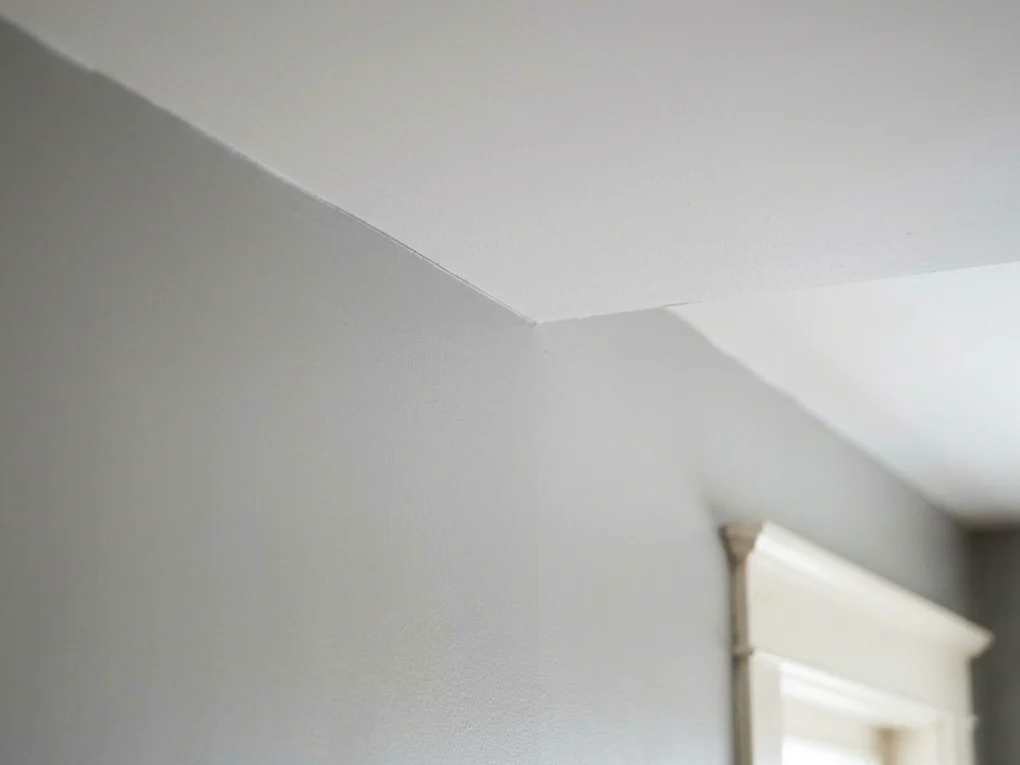
Close view of a crisp cut line between a soft gray wall and a white ceiling in a North Tacoma dining room
FAQ

Interior Painting questions from Tacoma homeowners

Can you paint my Tacoma living room in one day?

A single living room with light patching is often a one-day job for two painters, including both coats on the walls. If you add ceilings, trim or a big color change, plan on two days. We give you the schedule at the walk-through so you can plan around it, and we leave the room usable each evening if the work runs into a second day.

Do I need to move my own furniture before you paint?

No. We move furniture to the center of the room, cover it and put it back afterward. We do ask that you clear small breakables, photos and anything on open shelves, and that you move computers and other electronics yourself. Pianos, aquariums and very heavy pieces stay where they are, and we work around them with extra covering.

What paint do you use on interior walls?

We use premium, low-VOC acrylic lines from major manufacturers, chosen room by room. Living areas get a scrubbable eggshell, bathrooms a moisture-resistant satin with mildewcide, and ceilings a flat made for ceilings. If you have a brand or exact color code you already love, we can match it. The product and sheen for each room are written on your estimate.

How long should fresh interior paint cure before I wash it?

Paint feels dry in a couple of hours, but it keeps hardening for two to four weeks, and longer in cold, damp weather. During that time, avoid scrubbing and hang pictures gently. If a mark appears, dab it lightly with a damp cloth. After the first month, the washable finishes we use stand up to regular cleaning.

Will you test for lead paint in my older home?

If your home was built before 1978, we assume older paint layers may contain lead and test the areas we plan to sand or scrape. Where it is present, we use lead-safe methods: containment, misting, HEPA vacuums and careful cleanup. Walls that only need a fresh coat over sound paint usually involve very little disturbance of old layers.

Talk to us about interior painting

Call and tell us what you are painting. We answer 24/7 and set up a walk-through at a time that suits you.

Answered 24/7(253) 478-2745