Skip to content
CPCole's Pro PaintingHouse painters, Tacoma and Pierce County Line open 24/7(253) 478-2745
Exterior painting, Tacoma

Caulking and sealing in Tacoma to keep rain out of your walls

Caulk is a small part of a house that does a big job.

  • 24/7Phone answered
  • $640-$1,870Typical, per home
  • 66Areas we paint
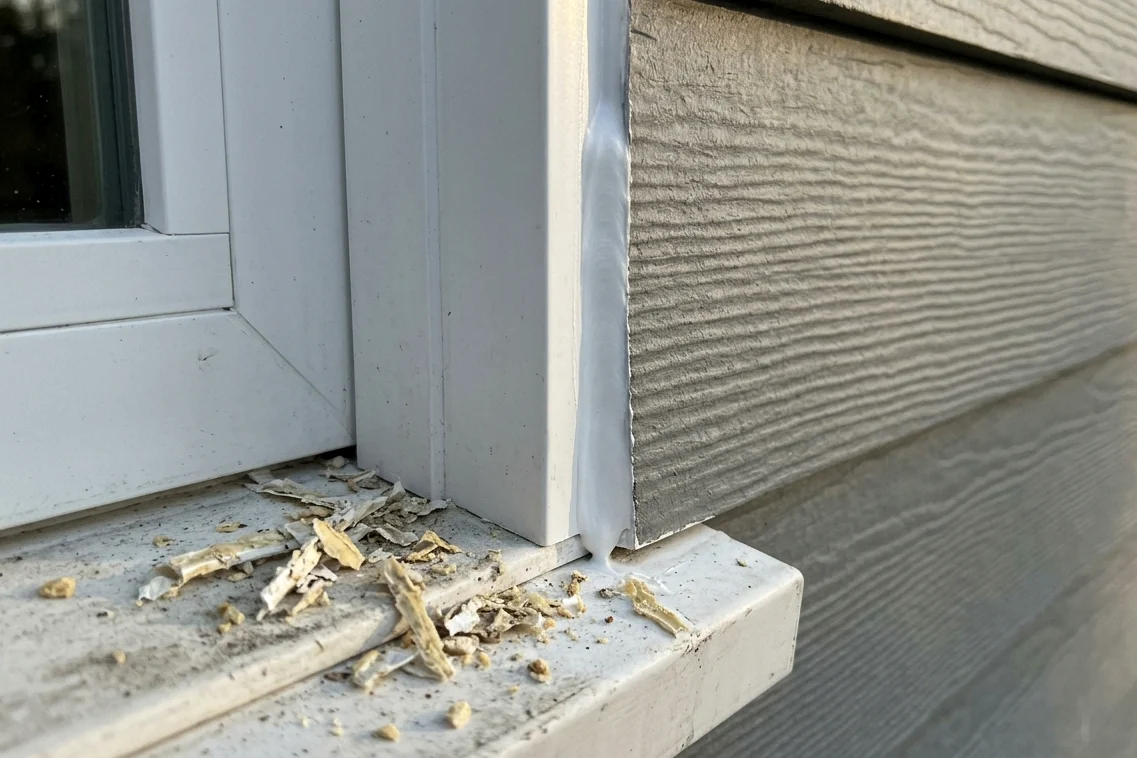
Fresh bead of white sealant tooled smooth along a window casing on gray fiber cement siding, old cracked caulk scraps on the sill below
Quick answer

Caulking and sealing in Tacoma means cutting out cracked or shrunken caulk around windows, doors, trim, corner boards and penetrations, cleaning and drying the joints, adding backer rod in wide gaps, then applying a flexible exterior sealant that can be painted. A typical whole-house reseal runs $640-$1,870, set after a walk-through. It often comes with exterior painting.

Caulk is a small part of a house that does a big job. It closes the joints where trim meets siding, where windows meet their frames, and where pipes, vents and wires pass through walls. When it cracks, shrinks or pulls away, wind-driven rain gets behind the siding and into the wall. In Tacoma, with months of steady rain, a failed caulk joint can lead to rot, peeling paint and water stains inside long before anyone notices the gap.

We reseal houses as a standalone job and as part of every exterior repaint. The work is careful and detailed: old caulk gets cut out instead of buried under new caulk, joints get cleaned and dried, and the right sealant goes into each gap. We also know where caulk should not go, since some gaps are there to let water drain. Call (253) 478-2745 and we'll check the joints around your house with you.

When to call

Signs it is time for caulking & sealing

Cracked or shrunken caulk around windows

Old caulk that has split or pulled away from the frame lets rain run straight into the wall.

Gaps where trim meets siding

Open joints along corner boards and window casings are common entry points for water.

Water stains inside under a window

Stains on drywall or sills inside often trace back to failed exterior caulk.

Drafts near doors and windows

Air leaks through open joints in winter make rooms colder and raise heating bills.

Peeling paint along trim edges

Water getting behind trim through failed caulk pushes paint off from underneath.

Unsealed pipe and vent openings

Gaps around hose bibs, dryer vents and wire penetrations let in water, air and pests.

Which joints should be caulked, and which should be left open?

Most exterior joints that face the weather should be sealed: where vertical trim meets siding, around the sides and tops of window and door casings, at corner boards, along the joints in fascia, and around penetrations like hose bibs, dryer vents, electrical boxes and light fixtures. These are the places where wind-driven rain gets into a wall. On fiber cement siding, the joints at trim and openings are usually caulked, while butt joints between planks depend on the installation method and flashing behind them.

Some gaps should stay open. The bottom edge of lap siding, where one board overlaps the next, lets water that gets behind the siding drain out. Caulking those horizontal laps traps moisture and can cause rot. Weep holes at the bottom of window frames and in brick also need to stay clear. The underside of some window head flashing should be left open for drainage. Knowing the difference is a big part of this work. Our siding painting jobs always include checking these drainage paths.

Why old caulk gets cut out instead of covered over

Putting new caulk over old, cracked caulk is a common shortcut, and it rarely lasts. The new bead sticks to the failing caulk underneath instead of to the wood, siding or window frame, and when the old layer lets go, the new one goes with it. We cut out old caulk with knives and scrapers, clean the joint of dirt, mildew and loose paint, and let it dry fully. In Tacoma's damp months, that drying step can take time, especially on shaded walls.

Joint shape matters too. A good caulk joint sticks to two sides, not three, so it can stretch as the materials around it move. In deep or wide gaps, we push in a foam backer rod first, which controls the depth of the bead and keeps the caulk from bonding to the back of the joint. Very wide gaps, often from shrinking trim or old rot, may need repair first. Our wood rot repair work handles those before the joint is sealed.

What sealant works best in a wet Pacific Northwest climate?

Not every caulk belongs outside. Cheap acrylic caulk shrinks, cracks and loses flexibility fast in weather. For exterior joints, we use high-performance sealants that stay flexible through temperature swings, stick well to wood, fiber cement and metal, and accept paint. Many can be applied in cooler temperatures and handle light moisture better than standard caulk, which helps in shoulder seasons. For joints that will not be painted, like around some vinyl windows, we choose color-matched sealants.

Pure silicone caulk is great in some places, like bathroom fixtures, but most kinds cannot be painted, so we rarely use it on painted exteriors. Older homes built before 1978 may have lead paint along the trim edges where caulk is being removed. On those homes, cutting and scraping use lead-safe methods, with ground plastic and careful cleanup. Homes near salt air in Ruston and Dash Point need sealants that hold up to the extra exposure, and we check those joints more often.

Two-story Tacoma Craftsman with fresh deep blue siding and white trim under an overcast Puget Sound sky
Prep sets the finish: most of a paint day goes into the work before color goes on.
What is included

What our caulking & sealing covers

  • Walk-around inspection of every exterior joint and penetration
  • Cutting out cracked, hardened or failing old caulk
  • Cleaning and drying joints so new sealant bonds properly
  • Backer rod in wide gaps for the right sealant depth
  • Flexible, paintable exterior sealant matched to each joint
  • Sealing around pipes, vents, wires and light fixtures
  • Leaving drainage gaps open where water needs to escape
  • Clean, tooled joints ready for paint or color-matched caulk
Job days

How a caulking & sealing job runs

Typical order of work on a Tacoma-area project. Weather can shift exterior days.

  1. D1

    Inspect all joints

    We walk around the house and check every joint, window, door and penetration. You get a list of what needs work and a clear price.

  2. D2

    Cut out failing caulk

    Old, cracked or loose caulk is cut and scraped out. Lead-safe methods are used on painted trim in older homes.

  3. D3

    Clean and dry

    Joints are cleaned of dirt, mildew and loose material. We wait until they are dry before sealing.

  4. D4

    Add backer rod where needed

    Deep or wide gaps get foam backer rod so the sealant has the right depth and shape. Badly damaged areas are repaired first.

  5. D5

    Apply and tool the sealant

    A flexible exterior sealant goes in each joint and is tooled smooth. Drainage gaps are left open.

  6. D6

    Paint or finish

    Sealed joints are ready to paint, or we use color-matched sealant where paint is not planned. We review the work with you at the end.

Cost

What moves the price of caulking & sealing

Typical range $640-$1,870 per home. These are the things that push a job toward either end.

  1. Number of windows, doors and trim joints that need resealing.
  2. How much old caulk has to be cut out instead of just touched up.
  3. Height and access for second-story windows, fascia and gables.
  4. Wide gaps that need backer rod or repairs before sealing.
  5. Lead-safe methods when removing caulk from painted trim on older homes.
  6. Whether the caulking is part of a full exterior paint job or done on its own.
Local

Caulking & Sealing around Tacoma and Pierce County

Caulk fails on almost every home in the Tacoma area eventually, but how it fails depends on the house. Older homes in North Tacoma and the Stadium District have wood windows and many trim joints that have been caulked over and over, often with old layers that need cutting out. Homes on the water in Browns Point and Dash Point face salt air and wind-driven rain on exposed walls, which wears caulk faster. Newer fiber cement homes in South Hill and Puyallup often have builder-grade caulk at trim and window joints that cracks within a few years. A full reseal before an exterior painting job is one of the best ways to protect the house through our long wet season.

Where we do the most caulking & sealing

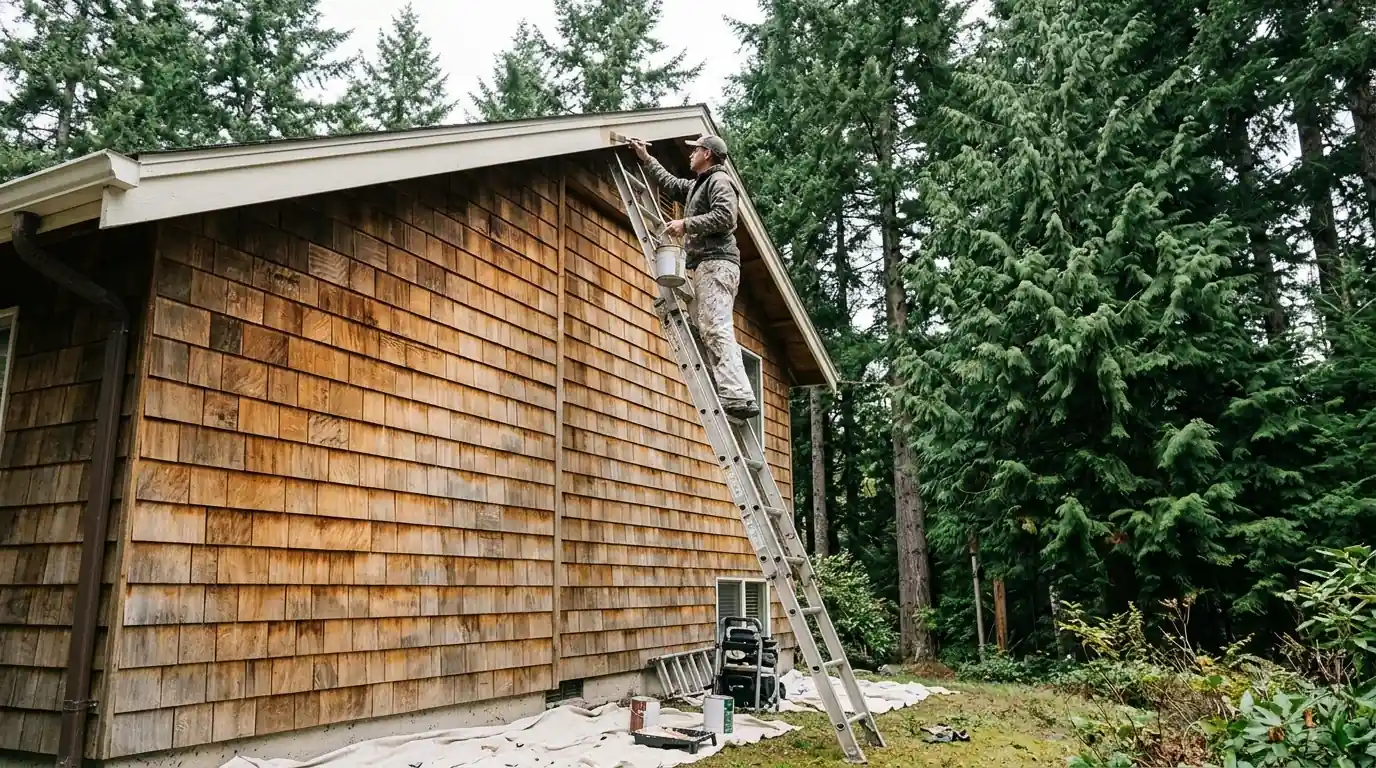
Painter on an extension ladder brushing trim on a cedar-sided house with tall evergreens behind it
FAQ

Caulking & Sealing questions from Tacoma homeowners

How often should exterior caulk be replaced?

It depends on the sealant, the exposure and how much the materials move. In Tacoma, caulk on south and west walls and on waterfront homes tends to fail sooner because of sun and weather. We recommend checking caulk every year or two, especially around windows and doors. Small cracks can be cut out and redone in spots. When you repaint the house, it is the right time for a full reseal.

Can you caulk in the rain or cold?

Caulk needs dry joints to bond. We do not apply sealant to wet surfaces or in active rain. Many high-performance sealants can go on at cooler temperatures than standard caulk, which helps in fall and spring. In the wet season, we work in dry windows and on sheltered walls when possible. If a joint is actively leaking, we can sometimes make a temporary fix and come back for a full reseal in drier weather.

Should the bottom edges of my siding be caulked?

No. The bottom edge of lap siding, where one board overlaps another, should stay open so water that gets behind the siding can drain out. Caulking those horizontal laps can trap moisture and cause rot and peeling. The same goes for weep holes in windows and brick. We seal vertical joints, trim edges and penetrations, but leave drainage paths open.

Will new caulk stop drafts in my older home?

It can help a lot. Gaps around window and door trim, at the sill and around penetrations let cold air in during winter. Sealing those joints on the outside reduces drafts and helps keep rain out. Interior gaps around window and door trim can also be caulked for extra draft control. Very drafty old windows may need weatherstripping or other work beyond caulk, and we can point that out.

Do you seal gaps around pipes and vents too?

Yes. Hose bibs, dryer vents, exhaust fan hoods, electrical boxes, light fixtures and cable lines all pass through the wall and leave gaps that let water, air and insects in. We seal these with the right sealant for each material. Larger gaps may need backer rod or a foam filler first. Some vents have flanges that should be sealed only on top and sides so water can drain out the bottom.

Talk to us about caulking & sealing

Call and tell us what you are painting. We answer 24/7 and set up a walk-through at a time that suits you.

Answered 24/7(253) 478-2745