Skip to content
CPCole's Pro PaintingHouse painters, Tacoma and Pierce County Line open 24/7(253) 478-2745
Interior painting, Tacoma

Trim and molding painting in Tacoma with crisp, hard enamel lines

Trim is what your eye follows around a room.

  • 24/7Phone answered
  • $2.35-$4.60Typical, per linear foot
  • 66Areas we paint
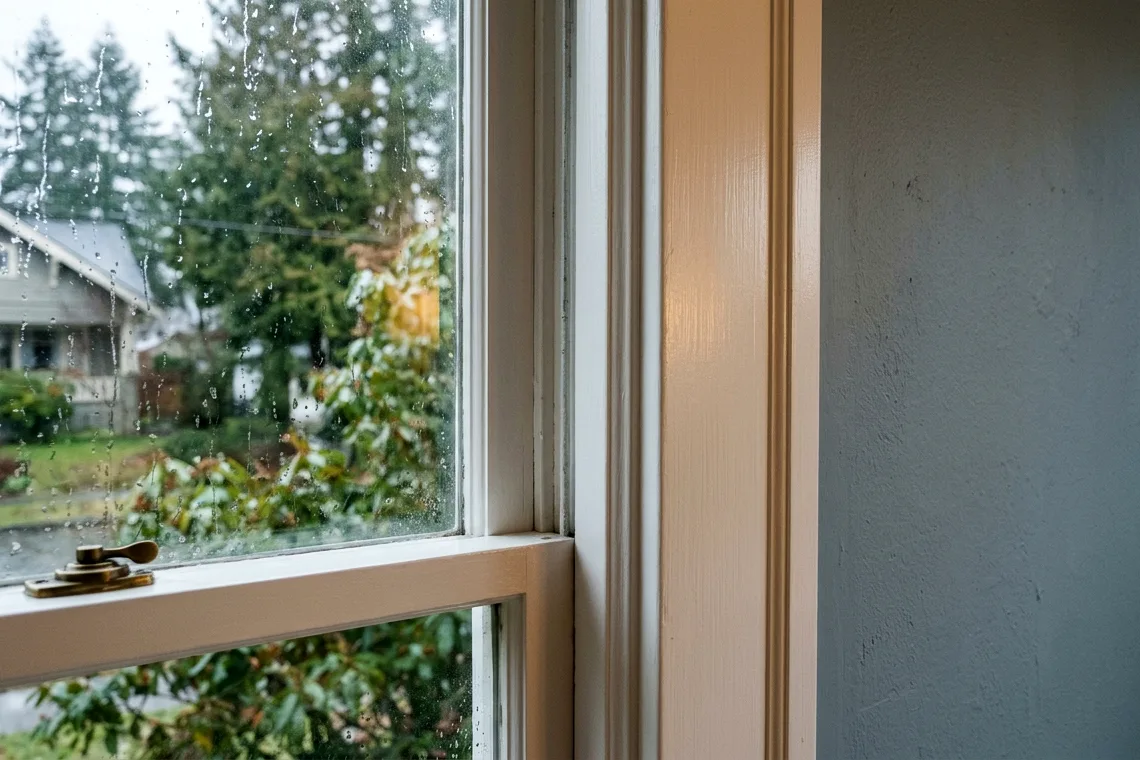
Wide fir window casing with fresh white semi-gloss enamel beside a gray-blue wall in a North Tacoma Foursquare on a rainy morning
Quick answer

Trim painting covers door and window casings, crown molding, chair rail, picture rail and window stools. The work is cleaning, sanding, filling nail holes, caulking gaps and brushing or spraying two coats of a durable enamel. In Tacoma, typical pricing runs $2.35-$4.60 per linear foot, or about $1,280-$2,960 for the trim in a full main floor. Price follows a walk-through.

Trim is what your eye follows around a room. Fresh walls next to chipped, yellowed casings still look tired, and new white trim can make plain walls look finished. Trim is also the slowest paint work in a house: every piece has edges, profiles and corners, and enamel shows every brush mark if it is laid on carelessly. We sand, fill, caulk and lay off each piece so the finish looks smooth from any angle.

Most trim jobs we do fall into two groups. In newer homes, builder trim was sprayed with a thin coat of flat or low-sheen paint that scuffs at the first vacuum bump. In older Tacoma homes, trim carries decades of brushed layers, often oil-based, sometimes over original stain. Each needs different prep. Trim pairs naturally with baseboard painting and door painting for one consistent white.
When to call

Signs it is time for trim & molding painting

Yellowed white trim

Old oil-based enamels amber over time, most of all in rooms with less daylight.

Cracked caulk at corners

Open gaps at miters and where casing meets the wall make trim look shabby and collect dust.

Chipped edges on casings

Door casings and window stools take constant bumps and show bare wood or old color through chips.

Thin builder paint

Flat trim paint in newer homes stains easily and will not wipe clean.

Stained trim you want painted

Dark oak or fir casings painted white can brighten a room, if the prep is done right.

Peeling on window sills

Condensation on cold winter glass soaks window stools and lifts paint along the inside edge.

Painting over old oil-based trim, done safely

Many Tacoma homes have trim painted with oil-based enamel, and water-based paint put straight over it will peel off in sheets. We test first: a rag with a little denatured alcohol softens latex but leaves oil untouched. Oil trim gets a thorough cleaning, a scuff sand to dull the gloss, and a bonding primer made to grip slick surfaces. After that, a modern waterborne enamel goes on and stays put.

Older homes add another layer of caution. Trim is one of the most likely places to find lead paint in houses built before 1978, especially on window parts that rub together. Where we will sand or scrape, we test, and if lead is present we use lead-safe methods: plastic below the work, wet sanding, HEPA vacuums and careful daily cleanup. In the Stadium District and Old Town, that is a normal part of the job.

Which enamel gives trim a smooth, durable finish?

For most trim we use a waterborne alkyd or urethane-modified acrylic enamel. These products flow out like the old oil paints, so brush marks level as they dry, but they clean up with water and do not yellow. They also cure harder than standard wall paint, which matters on window stools and door casings that get bumped every day. Semi-gloss is the most common sheen, and satin suits people who want a softer look.

The application matters as much as the product. We brush trim with a quality angled sash brush, laying off each run in one direction with long strokes, and we keep a wet edge so laps do not show. On new homes with empty rooms and lots of profile, we sometimes spray trim before walls are finished. Either way, two full coats go on, sanded lightly between them if dust or raised grain shows up.

Should you paint stained wood trim?

It is a fair question, especially in Craftsman homes where original fir trim is part of the house's character. If the stained trim is in good shape and the house still has its original woodwork throughout, we usually suggest keeping it and refreshing the clear finish instead. Once fir or oak is painted, getting back to bare wood is slow, costly work. That said, plenty of 1980s and 1990s oak trim has no special history and looks much better white.

When we do paint stained trim, prep is everything. We clean off wax and polish, scuff sand, fill nail holes and open grain where needed, and prime with a stain-blocking primer so tannins in the wood do not bleed through as yellow spots. Fir and cedar are especially prone to bleed. After that, two coats of enamel give a clean finish. If you want help weighing it, our color consultation walk covers trim decisions too.

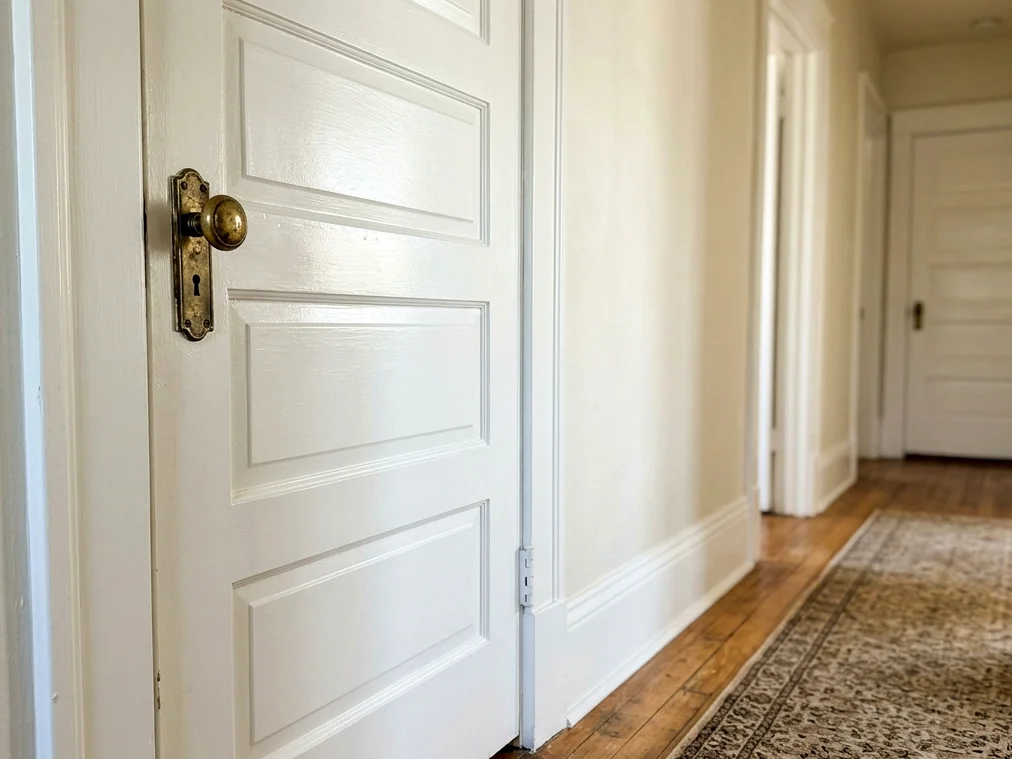
Hallway with freshly painted doors and trim in satin white in a 1920s Tacoma home
Prep sets the finish: most of a paint day goes into the work before color goes on.
What is included

What our trim & molding painting covers

  • Cleaning to remove grease, dust and hand oils from all trim
  • Sanding to dull old gloss and smooth chipped edges
  • Nail holes and dents filled and sanded flush
  • Fresh caulk in gaps at miters, walls and countertops
  • Bonding primer over old oil enamel and stained wood
  • Two coats of hard, washable trim enamel
  • Sharp brush lines where trim meets freshly painted walls
  • Window sash and stools painted without sealing them shut
Job days

How a trim & molding painting job runs

Typical order of work on a Tacoma-area project. Weather can shift exterior days.

  1. D1

    Measure and test

    We measure the trim by linear foot and test whether it is oil or latex. Pre-1978 surfaces are tested for lead where we will sand.

  2. D2

    Clean and protect

    Trim is degreased and floors and walls beside it are masked. Hardware and window locks are removed or covered.

  3. D3

    Sand and fill

    We scuff sand the gloss, smooth chips and fill nail holes and dents. Loose old paint is scraped and feathered.

  4. D4

    Caulk and prime

    Gaps at miters and walls get fresh caulk. Oil enamel and stained wood get a bonding or stain-blocking primer.

  5. D5

    Two coats of enamel

    Trim is brushed or sprayed with two coats of hard enamel. Each run is laid off in one direction for a smooth finish.

  6. D6

    Detail check

    We pull tape, clean the edges and walk the rooms with you. Window sash are moved so they do not stick shut.

Cost

What moves the price of trim & molding painting

Typical range $2.35-$4.60 per linear foot. These are the things that push a job toward either end.

  1. Trim profile, from flat casings to tall built-up Craftsman and Victorian molding.
  2. Converting stained wood to paint, which needs extra sanding and primer.
  3. Old oil enamel that requires a bonding primer before the new finish.
  4. Window count, since sash, stools and aprons take far more time than casings.
  5. Lead-safe prep on pre-1978 trim that will be sanded or scraped.
  6. High crown molding in stairwells and two-story spaces.
Local

Trim & Molding Painting around Tacoma and Pierce County

Tacoma trim varies wildly by neighborhood. Craftsman and Foursquare homes in North Tacoma, the Stadium District and Old Town often have wide fir casings, picture rail and plate rail, sometimes still stained and sometimes painted many times. Those homes can carry three or four times the trim footage of a newer house. In Federal Way, Puyallup and Bonney Lake, newer homes mostly have thin MDF casings and simple crown that go quickly but need upgrading from builder paint. Window stools everywhere take a beating from winter condensation, so we pay extra attention to them.

Where we do the most trim & molding painting

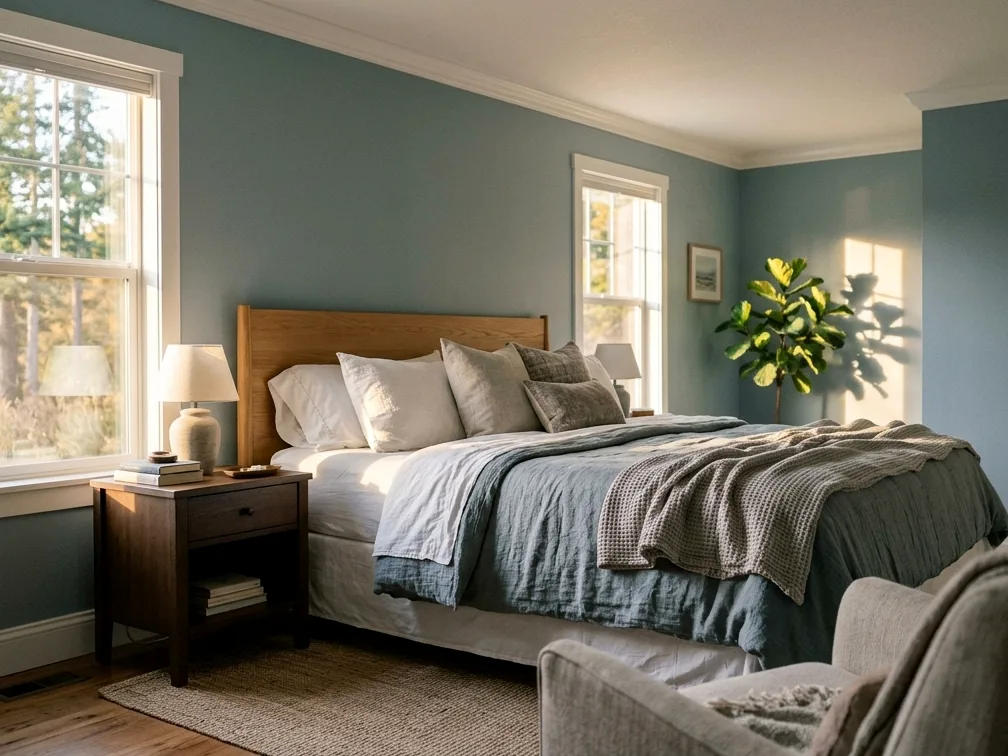
Primary bedroom painted a quiet blue gray with crisp white ceiling in a Gig Harbor home
FAQ

Trim & Molding Painting questions from Tacoma homeowners

Should trim be painted before or after the walls?

In a repaint, we usually paint trim after the walls so the trim enamel can be cut cleanly against the finished wall color. On new construction or empty houses, spraying the trim first and then cutting in the walls can be faster. Either order works when the edges are cut by hand with care.

What white should I use for trim?

Most people want a clean white that is not stark or blue. In Tacoma's soft winter light, a white with a touch of warmth usually looks best next to most wall colors. If your walls are cool gray, a cleaner white may suit. We hold up large samples against your wall color in daylight before you decide.

Can you paint my windows without sealing them shut?

Yes. We paint sash carefully, keeping paint off the tracks and the edges that slide, and move the windows while the paint dries so they do not stick. On older wood windows with layers of paint already gluing them shut, we can often cut them free first as part of the prep.

Is semi-gloss or satin better for trim?

Semi-gloss is the traditional choice because it is easy to wipe and stands up to bumps. Satin has a softer look that many people prefer in modern rooms, and it hides minor surface flaws better. Both enamels we use cure hard. If you have kids or pets, semi-gloss on window stools is worth it.

How much does it cost to paint trim in one room?

Trim for a typical bedroom, including one door casing, one or two windows and crown if present, usually falls between $410 and $880, depending on the profile and condition. Older homes with wide casings and picture rail are at the high end. We give you a room-by-room price after measuring.

Talk to us about trim & molding painting

Call and tell us what you are painting. We answer 24/7 and set up a walk-through at a time that suits you.

Answered 24/7(253) 478-2745