Skip to content
CPCole's Pro PaintingHouse painters, Tacoma and Pierce County Line open 24/7(253) 478-2745
Exterior painting, Tacoma

Wood rot repair in Tacoma, fixed right before the paint goes on

Rot is the problem every Tacoma house fights eventually.

  • 24/7Phone answered
  • $385-$1,690Typical, per repair area
  • 66Areas we paint
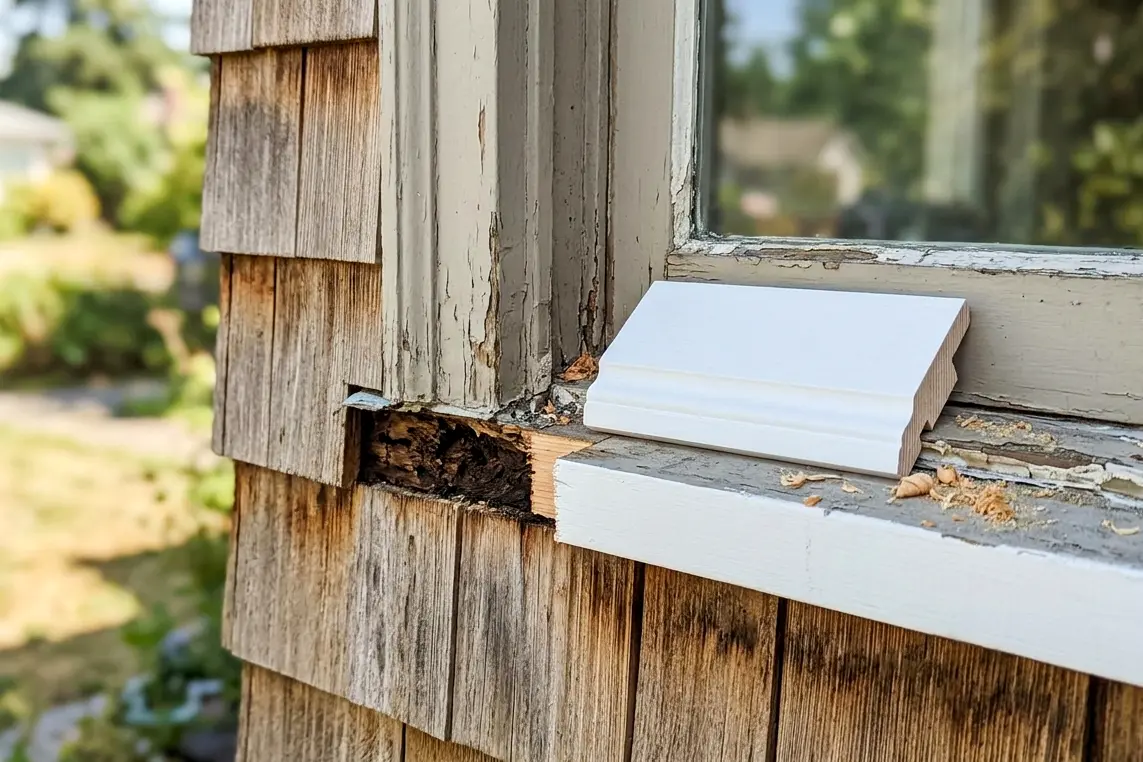
Rotted window sill nose cut away beside new primed fir board ready to fit on a Craftsman house in North Tacoma, cedar shingles around it
Quick answer

Wood rot repair in Tacoma means probing fascia, trim, sills, corner boards and siding for soft wood, cutting out the decay, then replacing boards or rebuilding small areas with epoxy filler. Every repair gets primed on all sides and painted to match. Typical repairs run $385-$1,690 per area, set after a walk-through. Larger fascia runs and multiple sills cost more.

Rot is the problem every Tacoma house fights eventually. Months of rain, gutters that overflow, splash-back at the base of walls and slow-drying north sides keep wood damp long enough for decay fungi to move in. It often hides under paint that still looks fine from the street. When you push a screwdriver into a window sill or the bottom of a corner board and it sinks in, the wood is already soft, and the damage usually goes deeper than it looks.

We repair rot on its own or as part of an exterior paint job, because painting over decay just hides it while it keeps spreading. Small areas can be rebuilt with epoxy filler. Bigger damage means cutting out the bad section and putting in new wood, primed on every face before it goes up. We also look for why the rot started so it does not come back. Call (253) 478-2745 to have us probe your trouble spots.
When to call

Signs it is time for wood rot repair

Paint bubbling or peeling in one small spot

Localized peeling on trim or sills often means moisture is coming from rot underneath.

Wood that gives under a screwdriver

Sound wood resists a probe. Rotted wood feels soft, spongy or crumbles when pressed.

Dark stains at the bottom of trim and boards

Darkened end grain at the base of corner boards and door casings is a common early sign of decay.

Gaps where fascia meets the roof edge

Overflowing gutters soak fascia boards, and rot there can spread into soffits and rafter tails.

Cracked or split window sill noses

Sills catch rain all winter, and splits at the front edge let water into the wood.

Mushroom-like growth or insects in the wood

Fungus or carpenter ants around siding or trim point to wood that has been wet a long time.

Where does wood rot start on Tacoma homes?

Rot needs wood that stays wet, and in our climate the same spots fail on house after house. Window sills and the bottom rails of window sashes collect rain and condensation. The bottom ends of corner boards, door casings and trim boards sit close to the ground and soak up splash-back. Fascia boards rot where gutters overflow or ice and debris dam them. Siding boards rot at butt joints and near the bottom course. Porch columns rot at the base, often hidden behind decorative wraps.

Older homes in North Tacoma, the Proctor District and the Stadium District often have original old-growth fir and cedar trim, which is naturally rot resistant but can still decay after decades of water exposure, especially where paint has failed. Many 1970s and 1980s homes have finger-jointed pine trim and T1-11 plywood siding, which rot faster once water gets in. Newer homes with fiber cement siding still have wood or composite trim that can rot at cut ends. Wherever we find rot, we also look up to see where the water is coming from.

When do we use epoxy filler and when do we replace the board?

Epoxy repair works well on small and medium rot in pieces that are hard or expensive to replace, like the nose of a window sill, a section of historic molding or the corner of a door frame. We dig out all the soft wood, let the area dry, soak it with a liquid epoxy consolidant that hardens the remaining fibers, then build it back with an epoxy filler. Once cured, we shape it to match the original profile. Epoxy does not shrink, sands like wood and holds paint well.

When rot runs deep, covers more than a small part of a board, or has spread along a long run of fascia or siding, replacement is the better fix. We cut out the damaged section back to sound wood, measure and shape new material to match the profile, and prime it on all sides and both ends before installing it. That back-priming is critical in our climate, since it keeps water from wicking into the new wood from behind. New pieces are fastened with corrosion-resistant fasteners, caulked at joints and painted. Our caulking and sealing work protects those joints afterward.

Why rot repair should come before every exterior repaint

Paint cannot stop rot that is already active. If decay is painted over, moisture stays trapped in the soft wood and fungi keep working underneath the new finish. Within a season or two, the paint bubbles and peels in that spot, and the damage is bigger than before. That is why we probe trim, sills and fascia on every exterior painting job and fix decay first. It is also why a cheap paint job that skips repairs often costs more in the long run.

On homes built before 1978, rot repair often means disturbing old painted wood that may contain lead. We use lead-safe methods during cutting, scraping and sanding: ground plastic to catch debris, misting to control dust, and careful cleanup each day. We also check the cause of the rot, whether it is a clogged gutter, a missing drip edge, soil against the siding, or a failed caulk joint. Fixing the water source is just as important as fixing the wood. If gutters need work, we point that out so you can address it.

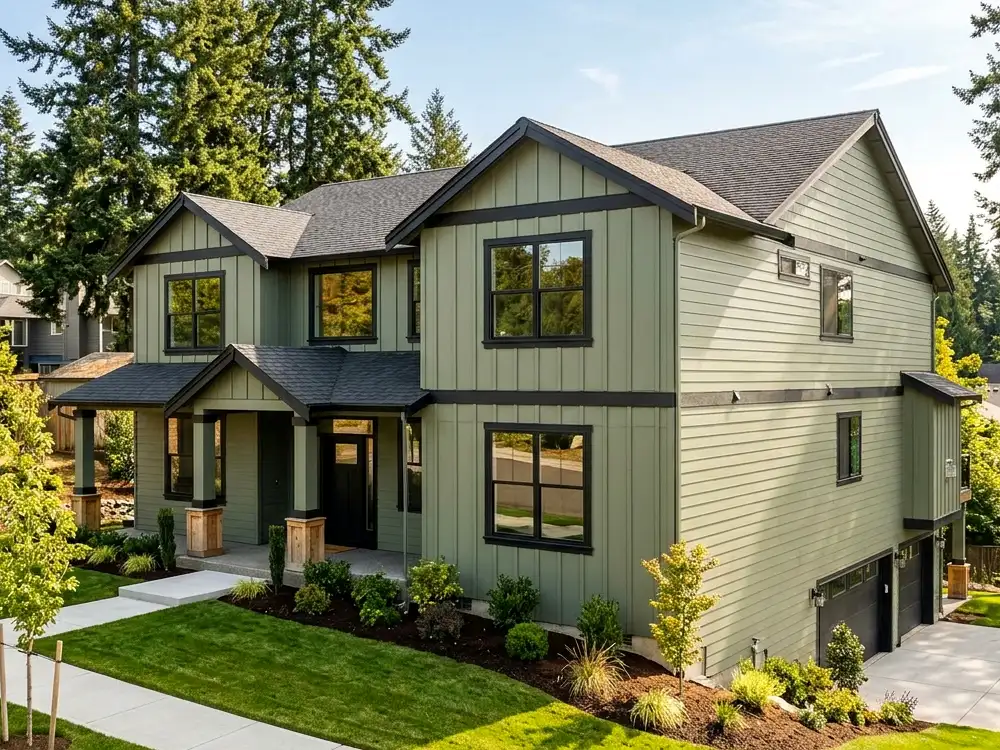
Fiber cement siding on a newer South Hill home freshly painted in muted green with black window trim
Prep sets the finish: most of a paint day goes into the work before color goes on.
What is included

What our wood rot repair covers

  • Probing all suspect trim, sills, fascia and siding for soft wood
  • Photos and a clear repair plan before any cutting begins
  • Cutting out decayed wood back to solid, dry material
  • Epoxy consolidant and filler for small and medium repairs
  • New boards cut and shaped to match existing profiles
  • Back-priming and end-sealing every new piece before installation
  • Caulking repaired joints and fastening with corrosion-resistant hardware
  • Prime and paint the repairs to blend with the house
Job days

How a wood rot repair job runs

Typical order of work on a Tacoma-area project. Weather can shift exterior days.

  1. D1

    Probe and document the damage

    We probe every suspect area and take photos to show you what we found. You get a clear repair plan and price before we start cutting.

  2. D2

    Find the water source

    We look for gutters, flashing, caulk joints or soil that are letting water in. Fixing the cause keeps the repair from failing.

  3. D3

    Remove decayed wood

    Soft wood is cut or dug out back to solid, dry material. Lead-safe methods are used on older painted wood.

  4. D4

    Repair or replace

    Small areas get epoxy consolidant and filler, shaped to match. Larger damage gets new boards cut to the original profile.

  5. D5

    Prime, install and seal

    New wood is primed on all sides before installation, fastened with corrosion-resistant hardware and caulked. Epoxy repairs get sanded and primed.

  6. D6

    Paint to match

    Repairs are painted to blend with the existing color, or included in a full repaint. We walk the repairs with you at the end.

Cost

What moves the price of wood rot repair

Typical range $385-$1,690 per repair area. These are the things that push a job toward either end.

  1. How far the decay extends, since rot often runs deeper than the visible damage.
  2. Epoxy rebuild versus full board replacement for each damaged piece.
  3. Custom profiles on historic trim or molding that need to be matched by hand.
  4. Access, including second-story fascia, gables and roof edges.
  5. Lead-safe methods on painted wood in homes built before 1978.
  6. Whether the repairs are painted alone or included in a full exterior repaint.
Local

Wood Rot Repair around Tacoma and Pierce County

Rot repair is one of the most common calls we get across the Tacoma area. Craftsman and Victorian homes in North Tacoma and the Proctor District have old-growth trim, porch columns and window sills that have survived a century but often rot at the base where water collects. Mid-century and 1970s homes in University Place and Lakewood tend to rot at T1-11 bottom edges, finger-jointed trim and fascia under overflowing gutters. Waterfront homes in Gig Harbor and Browns Point face wind-driven rain on exposed sides. Because the wet season runs from fall into late spring, rot that starts in winter often shows up as peeling paint by early summer.

Where we do the most wood rot repair

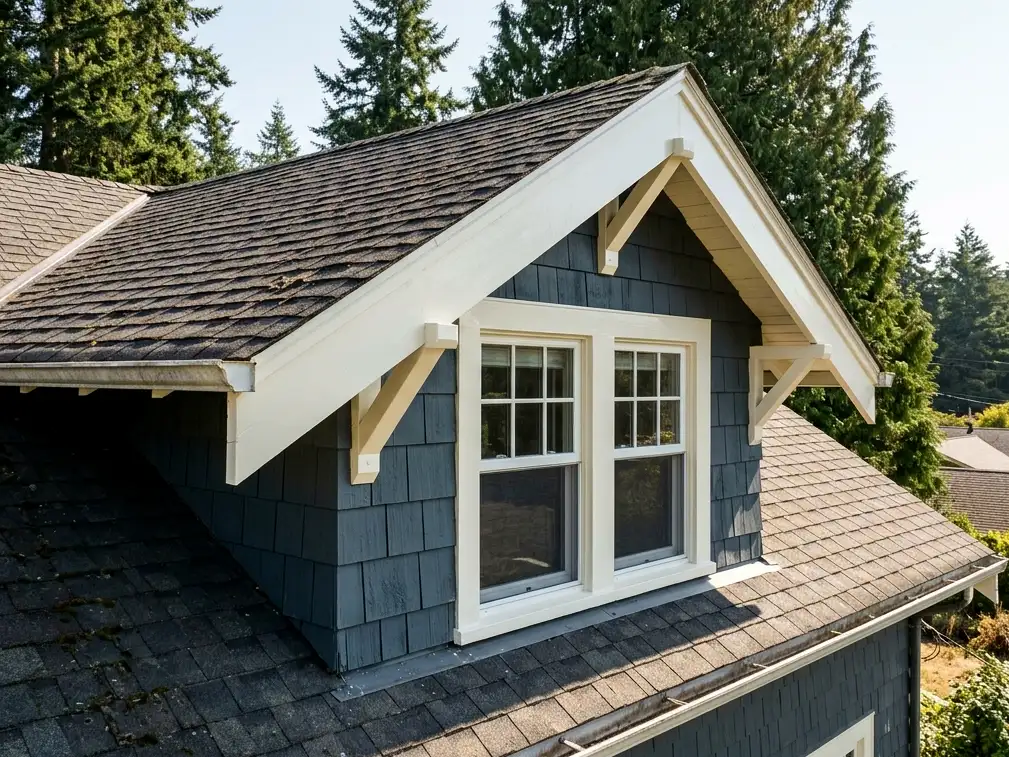
Freshly painted dormer and gable trim on a steep Tacoma roofline against evergreen trees
FAQ

Wood Rot Repair questions from Tacoma homeowners

Can you repair rot in the winter, or only during painting season?

Many rot repairs can be done year-round, as long as we can work in a dry window. Small epoxy repairs need dry wood and moderate temperatures to cure well, so those are easier in drier months. Board replacements can happen in winter if we prime the new wood on all sides and have a short dry stretch to install and caulk it. Painting the repairs may wait until conditions allow, and we will protect them with primer in the meantime.

How do I know if my window sill is rotted or just peeling?

Push a screwdriver or a car key into the wood near the peeling area. If it resists and leaves only a small dent, the wood is likely sound and just needs scraping, priming and paint. If it sinks in easily, feels spongy or the wood crumbles, there is rot. Check the front edge and the corners where the sill meets the trim, since those spots usually go first.

Is epoxy repair as strong as replacing the wood?

For the right kind of damage, yes. Epoxy consolidant strengthens the remaining wood fibers, and epoxy filler cures hard and does not shrink or rot. It is a great option for sills, historic molding and corners where replacement would mean removing windows or custom millwork. For long runs of fascia or wide areas of siding, replacement is usually more practical and cost effective. We recommend whichever fits your specific damage.

Will you match the trim profile on an old Craftsman house?

We do our best to match existing profiles. Many standard trim sizes can be found or cut from stock lumber. For historic profiles that are not made anymore, we can shape new pieces by hand or rebuild sections with epoxy and carve them to match. On older North Tacoma and Stadium District homes, keeping the original look matters, and we take care to make repairs blend in.

What causes wood rot to keep coming back in the same spot?

Usually the water source was never fixed. Rot returns when a gutter keeps overflowing, a drip edge is missing, soil or mulch is piled against the siding, or a caulk joint has failed. Painting over damp wood, or installing new wood that was not primed on all sides, also leads to repeat rot. When we repair rot, we look for the cause and either fix it or tell you clearly what needs to change.

Talk to us about wood rot repair

Call and tell us what you are painting. We answer 24/7 and set up a walk-through at a time that suits you.

Answered 24/7(253) 478-2745